Signs Your Home Might Need Professional Septic Services
February 28, 2026

Maintaining a healthy septic system is an essential yet often overlooked aspect of homeownership. While city sewage systems handle waste efficiently for urban homes, properties relying on private septic systems must remain vigilant to avoid costly repairs and environmental hazards. Unlike visible plumbing issues, septic system problems are frequently subtle, developing gradually before they become apparent. Understanding the early signs of a failing system can save homeowners significant time, money, and stress, as well as protect property value and local water quality.
Recognizing when
professional septic services are necessary is not always straightforward. Homeowners may notice unusual odors, slow drainage, or unusually lush patches of grass, but dismiss these issues as minor inconveniences. Ignoring early warning signs can escalate into severe damage, including soil contamination, structural problems, and health risks. This blog explores the key indicators that your septic system may require professional attention. By learning to identify these warning signs, you can take timely action, prevent emergencies, and ensure your home remains safe and functional. Whether you are a first-time homeowner or managing an established property, understanding septic system health is crucial for long-term maintenance and peace of mind.
Slow Drains and Backups
Persistent Drainage Problems
One of the most common indicators of a failing septic system is slow drainage throughout the home. When multiple drains, including sinks, showers, and tubs, begin to drain slowly or inconsistently, it may suggest a blockage or system overload. Slow drainage occurs when solids accumulate in the septic tank or when the drain field becomes saturated and unable to absorb wastewater effectively.
Toilet Backups
Toilet backups are often more alarming and directly impact daily life. A toilet that frequently overflows or bubbles when flushed can signal that wastewater is not properly flowing through the system. This can result from clogged pipes, a full septic tank, or a failing leach field. Homeowners experiencing repeated toilet backups should treat this as an urgent warning, as ignoring the problem can cause structural damage and potential health hazards.
Practical Example
Consider a scenario where kitchen and bathroom drains gradually slow down over weeks. Homeowners may initially attribute the problem to minor clogs. However, if the issue persists and worsens, professional inspection is necessary to prevent a full system failure. Timely septic services can clear blockages, empty the tank, and assess the health of the leach field, avoiding more costly repairs later.
Unpleasant Odors Around the Property
Odors in the Yard
Unusual or strong odors near your septic tank or drain field often indicate that wastewater is not being properly processed. A noticeable sewage smell outside your home may mean that your system is leaking or that the tank is nearing capacity. In some cases, the leach field may be saturated, causing wastewater to surface, creating both an odor problem and a potential health risk.
Indoor Odors
Septic issues can also manifest as odors inside the home. Foul smells in bathrooms, laundry rooms, or basements often point to venting problems or sewer gas leakage. Sewer gases contain methane and other harmful compounds, making prompt action essential. Persistent indoor odors should never be dismissed as minor; they may indicate a more serious underlying septic system problem.
Best Practices
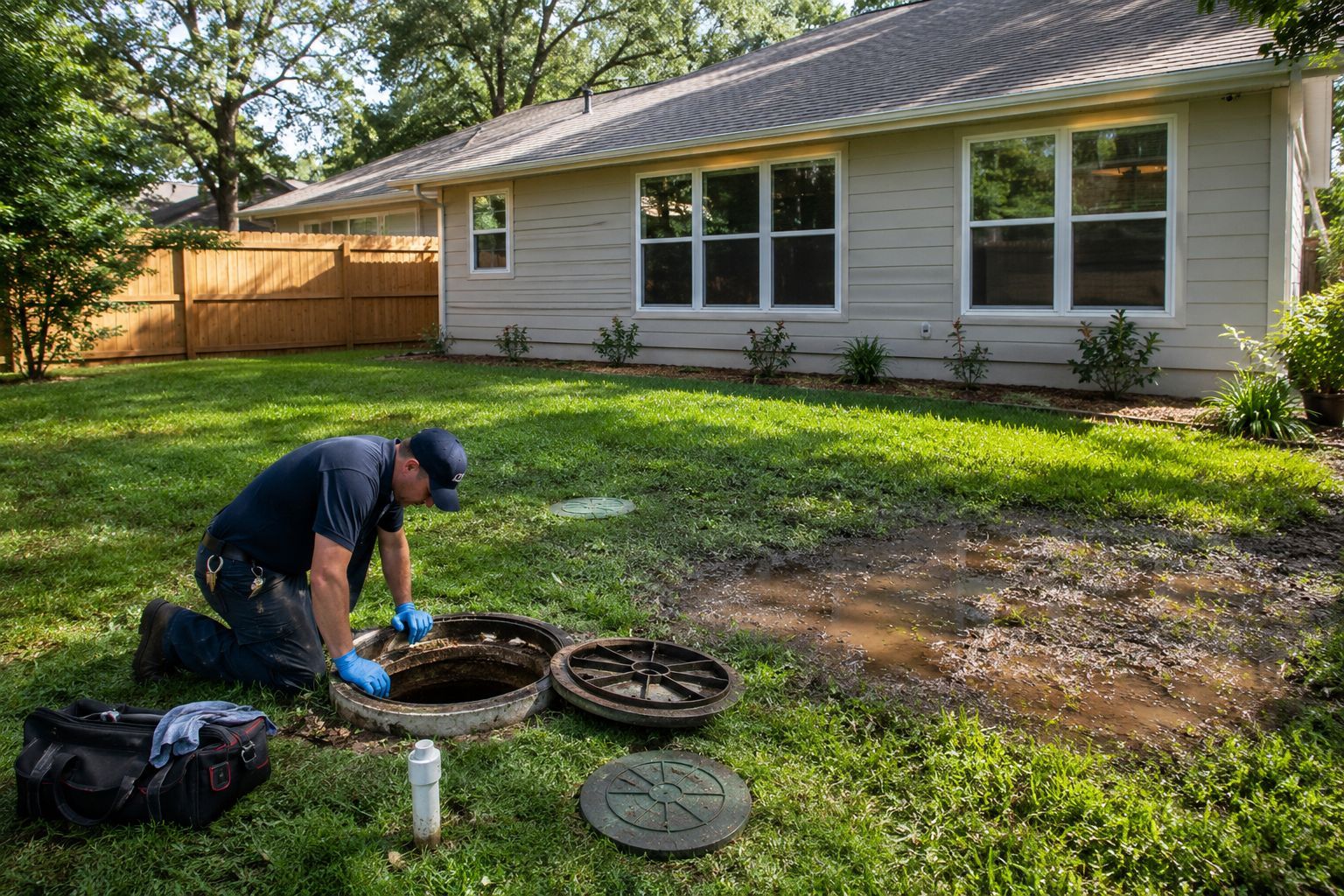
Homeowners noticing unusual odors should schedule a professional septic inspection immediately. Technicians can perform tank pumping, assess system integrity, and identify any leaks or blockages. Proactive attention not only resolves odors but also prevents environmental contamination and expensive repairs.
Water Pooling or Excessively Green Grass
Standing Water and Saturation
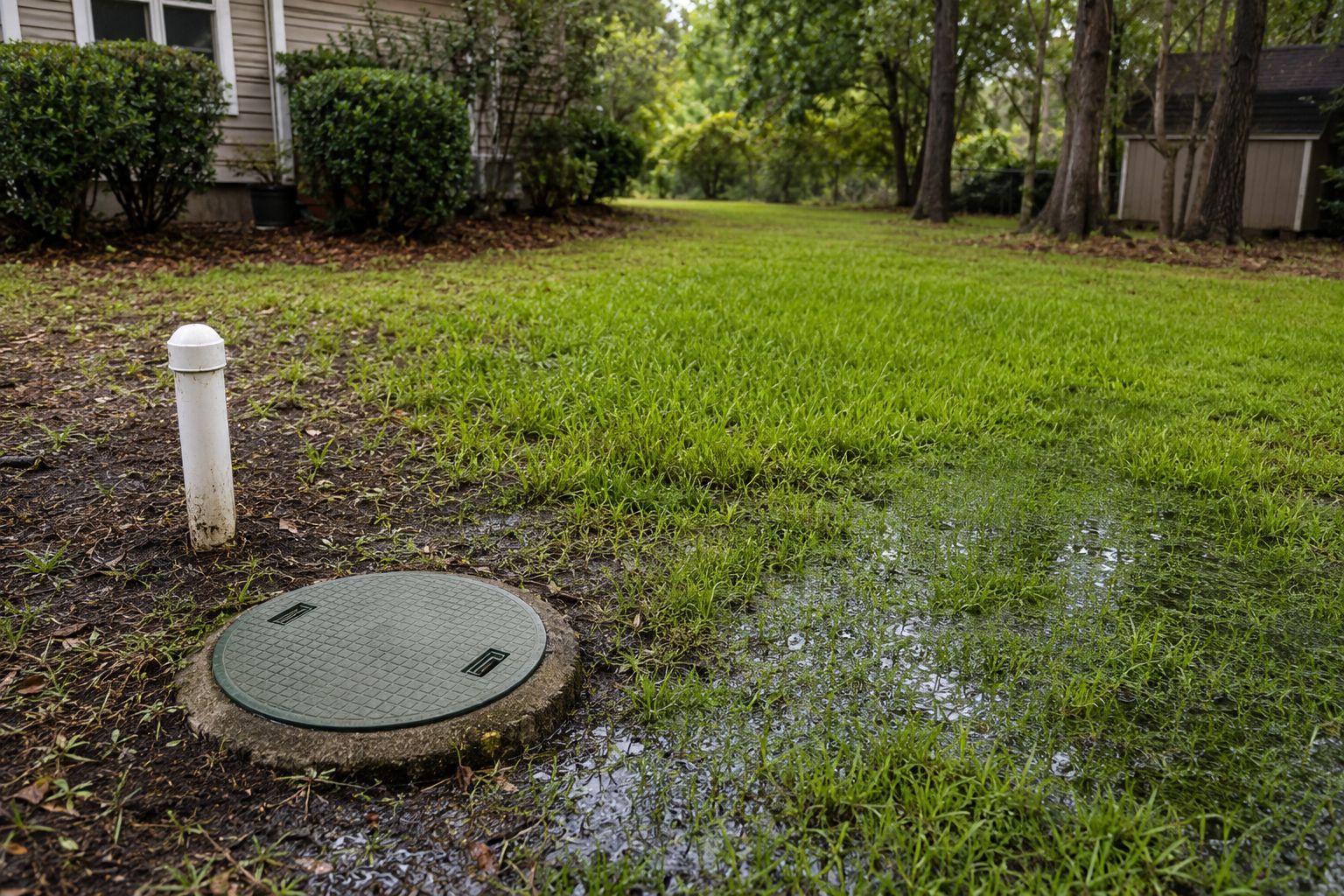
Water pooling in your yard, especially near the septic tank or drain field, often indicates system failure. A properly functioning septic system disperses wastewater into the soil, leaving the surface dry. Pooling water can signal a clogged drain field or leaky tank, both of which require immediate professional attention.
Lush or Overgrown Grass
In some cases, homeowners may notice areas of unusually lush, green grass directly above the septic system. While this might seem aesthetically pleasing, it usually indicates that nutrient-rich wastewater is surfacing due to leach field failure. Over time, this can compromise the system and pose a contamination risk to groundwater and nearby water sources.
Real-World Example
A homeowner may notice a consistently wet patch in the backyard with grass that grows faster than surrounding areas. While tempting to ignore, this is a classic early sign of leach field saturation. Professional septic services can inspect the system, identify failing components, and recommend repairs or replacements before widespread damage occurs.
Frequent Need for Pumping
Understanding Tank Capacity
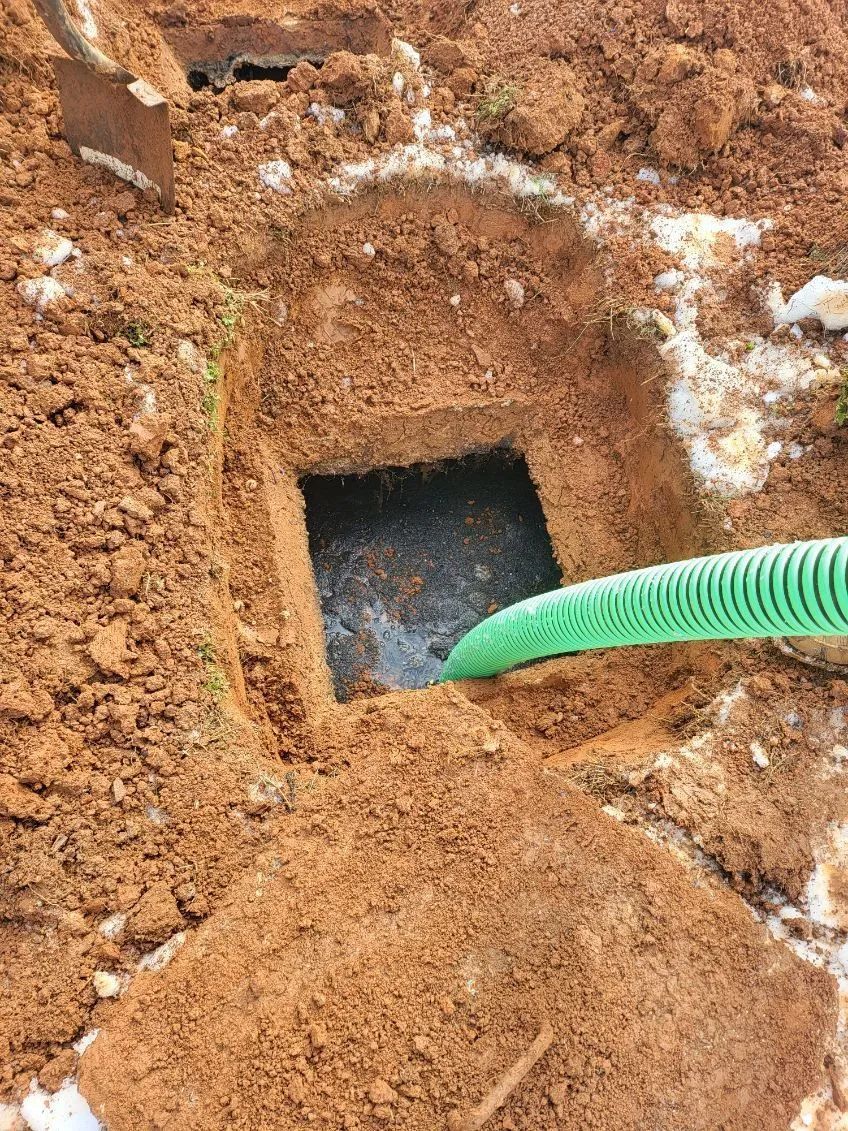
Septic tanks are designed to hold wastewater for a specific period, allowing solids to settle and liquids to flow into the drain field. If your system requires pumping more frequently than recommended, it may indicate underlying issues, such as excessive water usage, tank damage, or improper maintenance.
Symptoms of Overfull Tanks
Signs of an overfull tank include gurgling toilets, slow drains, sewage odors, and water pooling near the tank. Ignoring these warning signs can lead to expensive damage to both the tank and the drain field. Regular maintenance, including professional pumping, is critical to prolong the lifespan of your system.
Best Practices
Septic system professionals can establish a pumping schedule based on tank size, household occupancy, and water usage. Following expert guidance ensures optimal system performance, prevents backups, and minimizes repair costs. Investing in regular maintenance is significantly cheaper than addressing catastrophic system failures.
Plumbing Issues Coinciding With Septic Problems
Multiple Problem Locations
When plumbing issues arise simultaneously in different areas of the home, such as slow sinks in the kitchen and bathroom, it may point to a septic system problem rather than isolated plumbing clogs. This is especially true when standard remedies, like drain cleaners, fail to resolve the issue.
Pipe and Fixture Damage
Failing septic systems can create pressure or backups that damage household plumbing. Corroded pipes, recurring leaks, or broken fixtures may be symptomatic of an overwhelmed system. These problems not only require plumbing repairs but also comprehensive septic system evaluation to address root causes.
Expert Reasoning
Professional septic services involve more than just tank pumping; they include thorough inspections of pipes, tanks, and the drain field. Technicians can diagnose issues that may not be apparent to homeowners, such as subtle blockages, root intrusion, or soil compaction, preventing recurring plumbing problems and preserving the integrity of the entire system.
Health and Environmental Concerns
Risk of Contamination
A failing septic system poses serious health risks. Sewage leakage can contaminate soil and groundwater, potentially affecting drinking water wells and nearby streams. Pathogens from untreated wastewater can cause illnesses, making prompt professional attention critical for household safety.
Environmental Impact
Septic system failures can also impact the surrounding environment. Leaking systems may lead to nutrient pollution, algal blooms, and damage to local ecosystems. Responsible maintenance and timely professional services help protect not only your property but also the broader community and environment.
Preventive Measures
Homeowners can reduce risks by scheduling routine inspections, monitoring water usage, avoiding harsh chemicals, and ensuring proper disposal practices. Professional septic services include comprehensive evaluations, tank pumping, and repairs that align with environmental safety standards, safeguarding both human and ecological health.
Signs Only a Professional Can Detect
Advanced Inspection Techniques
Some signs of septic system problems are not visible to the untrained eye. Professionals use tools such as cameras, soil testing equipment, and flow measurement devices to detect blockages, leaks, and structural issues. These advanced methods can identify potential problems before they become emergencies.
Cost-Effective Intervention
Early professional intervention saves homeowners money by preventing extensive repairs, system replacements, and property damage. Investing in professional septic services ensures accurate diagnosis, appropriate solutions, and peace of mind, avoiding costly mistakes from DIY attempts or delayed action.
Expert Guidance
Septic technicians also provide valuable guidance on maintenance practices, water usage optimization, and preventive care. Following their advice helps homeowners extend the life of the system, maintain compliance with local regulations, and prevent environmental hazards.
Unexplained Algae Growth or Foul-Smelling Water
Algae in Nearby Water Bodies
If your property has a pond, stream, or lake nearby, sudden algae growth may indicate nutrient runoff from a malfunctioning septic system. Excess nitrogen and phosphorus from untreated wastewater can accelerate algae blooms, which harm aquatic life and water quality.
Foul-Smelling Water in Wells
For homes relying on private wells, contamination from a failing septic system may result in foul-tasting or smelly water. Homeowners may notice a sulfur-like or sewage odor. Testing well water and inspecting the septic system are essential to ensure safe drinking water and prevent health risks.
Preventive Action
Professional septic services include water testing, tank inspection, and remediation strategies to prevent contamination. Addressing these issues promptly protects both your household and local ecosystems, reinforcing the importance of expert monitoring and maintenance.
Trusted Specialists Protecting Homes And Septic Integrity
Septic system maintenance is an essential component of responsible homeownership. Recognizing the signs of potential failure—slow drains, unpleasant odors, pooling water, frequent pumping needs, plumbing problems, environmental hazards, and less obvious indicators—enables homeowners to take proactive measures. Acting early prevents costly repairs, protects health, and ensures the longevity of the system. Understanding the complexities of septic systems is key to maintaining household functionality and environmental safety.
Newcomb Septic Servicesin Winston-Salem, North Carolina, provides reliable and professional septic system services, ensuring homes remain safe and functional. With a strong commitment to quality, Newcomb Septic Services
offers comprehensive inspections, pumping, repairs, and maintenance plans tailored to each property’s unique needs. Despite being in the industry for 1 year, the team has quickly established itself as a trustworthy and expert provider, prioritizing customer satisfaction, environmental responsibility, and effective solutions. By choosingNewcomb Septic Services, homeowners gain peace of mind, knowing their septic systems are managed efficiently and professionally by capable experts who understand the importance of timely interventions and long-term care.