Why Regular Septic Maintenance Saves Thousands in Repairs
March 26, 2026
A well-functioning septic system is essential to maintaining a healthy and safe home environment. Yet, many homeowners underestimate the importance of regular maintenance, often ignoring minor warning signs until costly repairs become unavoidable. Unlike municipal sewer systems, septic systems rely on private maintenance to function effectively, and neglect can result in serious structural damage, environmental hazards, and financial strain. Understanding how preventive care directly impacts your system’s longevity is crucial for every property owner.
Investing in regular septic maintenance not only protects your property but also ensures compliance with health and environmental standards. Simple steps like scheduled inspections, pumping, and system monitoring can prevent small issues from escalating into major failures. Homeowners who practice proactive care often save thousands of dollars in emergency repairs and avoid the disruptive consequences of system backups. In this blog, we’ll explore the essential reasons why routine septic maintenance is not just a recommendation but a necessity. We’ll cover practical strategies, common pitfalls, and expert insights to help homeowners safeguard their septic systems and their finances. By the end, you’ll understand why prevention is far more cost-effective than reactive repair.
1. Understanding Septic Systems and Their Vulnerabilities
How Septic Systems Work
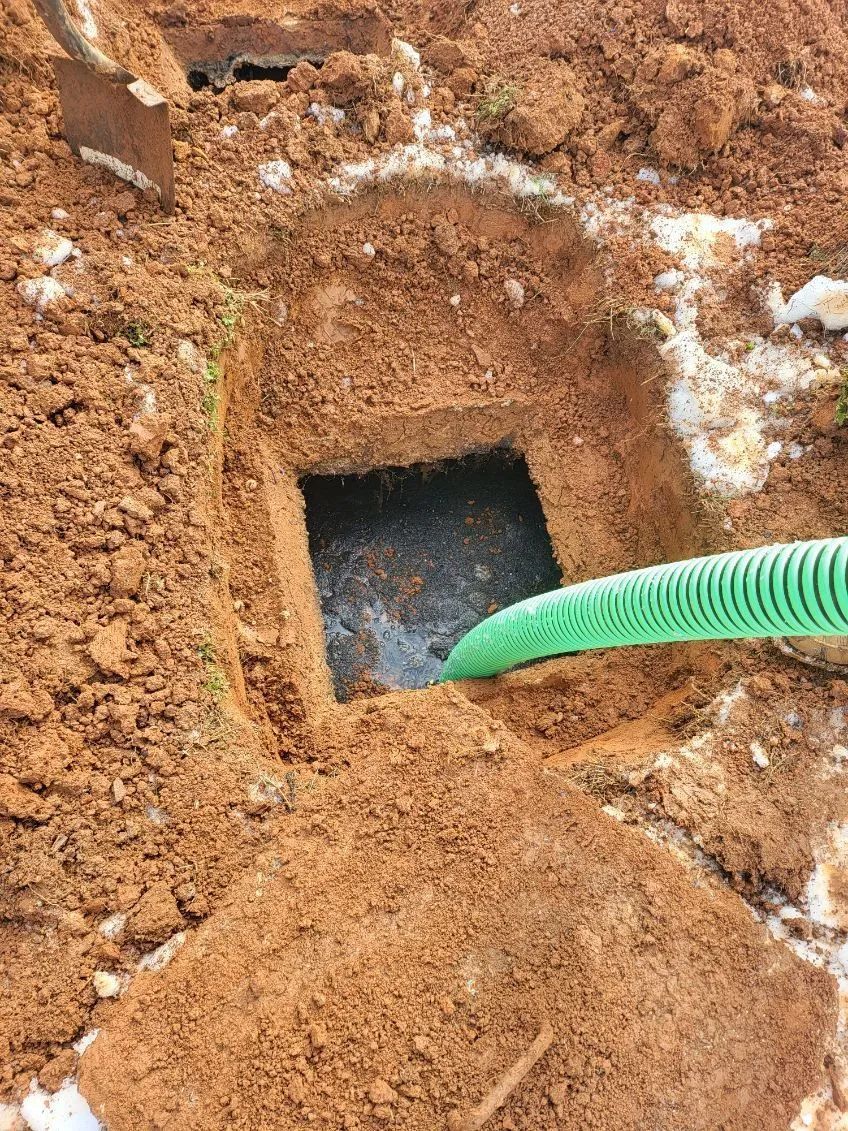
A typical septic system consists of a tank and a drain field. Wastewater flows from the home into the septic tank, where solids settle and bacteria break down organic matter efficiently over time. The partially treated water then moves into the drain field, where it naturally filters through soil layers. While this process may seem simple, it relies on careful balance and proper management. Any disruption—such as excessive water usage, foreign objects, or chemical interference—can compromise overall system performance and longevity.
Common System Vulnerabilities
Septic systems are vulnerable to several factors, including soil saturation, improper waste disposal, and invasive tree root intrusion that can damage pipes. Over time, solids can accumulate in the tank, clogging the system and causing backups that affect the household. Inadequate maintenance can lead to drain field failure, which is expensive to repair and may require extensive excavation and soil replacement. Recognizing these vulnerabilities emphasizes why homeowners cannot afford to overlook routine care and preventive inspections regularly.
Real-World Scenario
Consider a family who ignores routine inspections for several
years in their home. One day, they experience sewage backup in their basement, causing significant disruption. What could have been a $300–$500 maintenance service now escalates into a $7,000 repair involving drain field replacement. Preventive maintenance could have avoided this scenario entirely, saving time, stress, and thousands of dollars in unnecessary expenses.
2. The Financial Impact of Neglect
Cost of Emergency Repairs
Ignoring septic maintenance is costly and can result in sudden emergencies. Common emergencies include tank overflows, drain field failures, and pipe blockages that interrupt daily living. Repairing these issues often requires excavation, replacement of system components, and labor-intensive interventions that are both time-consuming and expensive. The financial burden can quickly reach thousands of dollars, making preventive care a far more economical and wise choice for homeowners in the long term.
Hidden Costs
Even if an immediate repair isn’t required, neglect can result in hidden costs over time. Reduced efficiency leads to increased water usage, potential contamination of wells, and overall property devaluation. Homeowners may also face regulatory fines if their system fails to meet local health codes, creating additional financial and legal challenges that could have been avoided.
Expert Reasoning
Septic professionals consistently recommend a proactive approach for homeowners in every region. According to industry experts, the average cost of a complete system replacement ranges from $5,000 to $20,000, depending on system size, soil type, and local regulations. Regular maintenance—typically $200–$500 per service—represents a fraction of this cost, demonstrating clear financial logic and practical planning benefits for responsible property owners.
3. Key Components of Regular Maintenance
Inspection and Monitoring
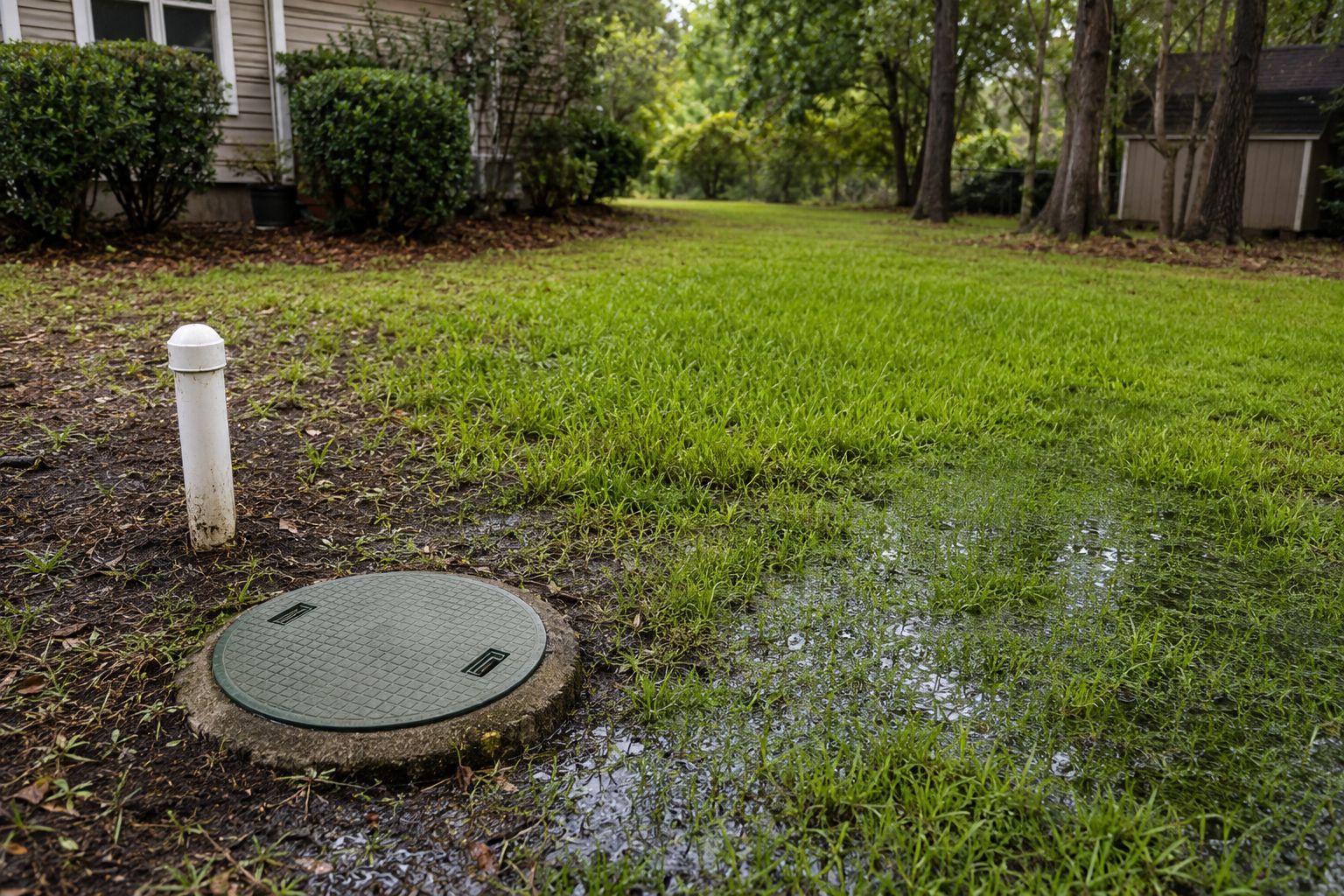
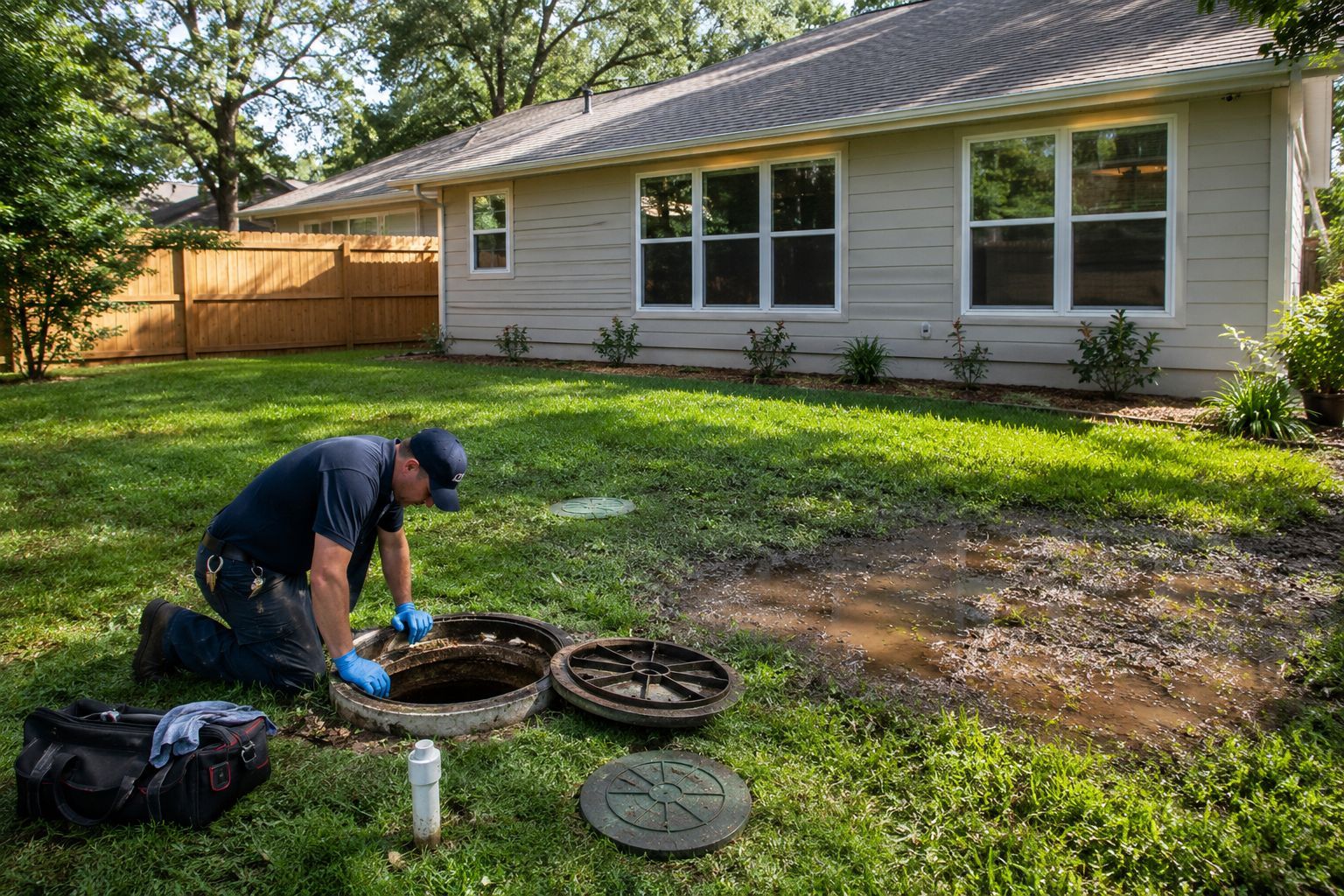
Scheduled inspections, ideally every 1–3 years, help identify early warning signs such as slow drainage, unusual odors, or wet areas above the drain field that indicate system stress. Monitoring system performance ensures problems are addressed before they escalate into serious damage that requires costly repairs or emergency interventions.
Pumping and Cleaning
Septic tanks should be pumped regularly to remove accumulated solids that can otherwise overflow and damage the system. Frequency varies depending on household size and tank capacity, but most systems benefit from pumping every 3–5 years for optimal functionality. Removing solids prevents overflow, backup, and damage to the drain field, extending the overall lifespan of the system.
Drain Field Care
Maintaining the drain field is crucial to prevent expensive failures. Avoid parking vehicles or planting trees over it, and redirect heavy water usage during rainy periods to preserve soil filtration. Proper care preserves soil filtration, prevents costly structural damage, and maintains optimal wastewater treatment efficiency.
Case Example
A homeowner who had their tank pumped on schedule noticed minor sludge buildup in the inspection process. Addressing it promptly required only a brief service visit, preventing an expensive drain field failure that could have exceeded $10,000 and caused major disruption to daily life.
4. Environmental and Health Considerations
Preventing Contamination
Neglecting septic maintenance can result in untreated wastewater contaminating groundwater and nearby water sources, creating environmental hazards. This poses serious health risks, including exposure to harmful bacteria, viruses, and toxic chemicals that may impact families and pets. Regular maintenance protects both the environment and human health effectively.
Compliance with Regulations
Many regions enforce strict septic regulations to protect public health and the environment. Regular maintenance ensures homeowners remain compliant with local and state requirements, avoiding legal penalties, fines, and long-term liabilities associated with system failures or contamination incidents.
Real-World Example
In one case, an unmaintained septic system caused nitrates to seep into a private well, making water unsafe for drinking or cooking. The family required extensive water treatment and a full system overhaul. Routine maintenance would have prevented contamination entirely and preserved safe, clean drinking water for household use
Health Benefits
A properly maintained system reduces odors, prevents bacterial outbreaks, and ensures safe disposal of household wastewater. Protecting family health is often as valuable as preventing financial losses, creating a cleaner, safer, and more hygienic living environment over the long term.
5. Best Practices for Homeowners
Schedule Regular Services
Set a recurring schedule for inspections and pumping to ensure consistent care. Keeping detailed records of all services performed ensures maintenance remains on track and demonstrates proactive care, especially if you ever decide to sell your property in the future.
Monitor Water Usage
Excessive water strains the septic system and accelerates wear on components. Spread laundry loads evenly, fix leaks promptly, and avoid unnecessary water use to prolong system life and maintain proper system functionality over time.
Avoid Harmful Chemicals
Chemical cleaners, bleach, and grease can disrupt the natural bacterial balance in the tank. Using environmentally safe cleaning agents preserves system efficiency while preventing damage to delicate microbial ecosystems critical for wastewater breakdown.
Educate Household Members
Everyone in the household should understand what can and cannot be flushed or drained. Items such as wipes, sanitary products, and cooking oils can severely damage the system, causing clogs, backups, and expensive repairs if ignored.
Expert Tip
Professionals recommend combining regular inspections, pumping, and careful household practices. A holistic approach prevents failures, minimizes the risk of unexpected repairs, and ensures the system continues functioning at peak efficiency year after year.
Trusted Specialists Protecting Homes And Septic Integrity
For residents in Winston-Salem, North Carolina, Newcomb Septic Servicesprovides comprehensive, professional septic system services designed to protect both your home and your wallet. With a commitment to excellence and personalized care, our team ensures every septic system functions at peak efficiency. From routine inspections and pumping to expert drain field maintenance, we deliver solutions that prevent costly repairs before they occur.
Although our company has a several
years of experience, our technicians are trained in industry best practices and utilize modern equipment to deliver safe, efficient, and reliable results. We prioritize transparency, educating homeowners about proper system care and the steps necessary to prolong system life. Choosing Newcomb Septic Services
means partnering with a trustworthy authority in
septic maintenance who understands the challenges homeowners face and provides practical, effective solutions. Protect your home and investment by trusting our expert team to keep your septic system running smoothly and efficiently.