Common Septic Pump Problems and How to Spot Them Early
January 31, 2026
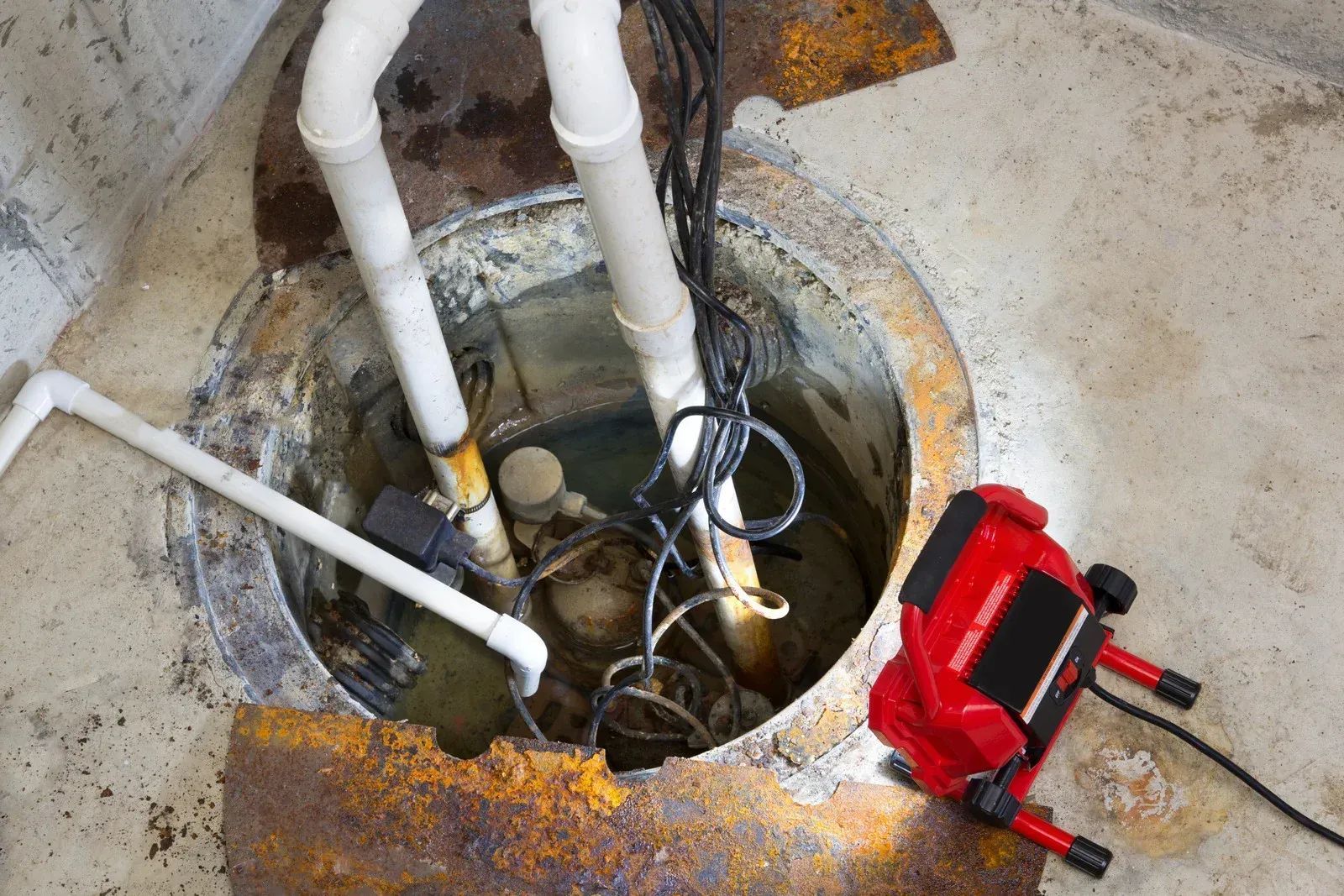
Septic systems are essential for managing household wastewater, yet they often go unnoticed until a problem arises. The septic pump, a crucial component of the system, ensures that wastewater flows efficiently from the household into the septic tank and drainage field. Without a properly functioning pump, a septic system can quickly become compromised, leading to backups, foul odors, and expensive repairs. Despite their importance, many homeowners remain unaware of the early warning signs of septic pump issues, which can result in unnecessary damage and disruption. Understanding common septic pump problems and knowing how to identify them early is vital for maintaining a healthy and efficient system.
In this blog, we delve into the most frequent septic pump problems, providing actionable insights for homeowners, property managers, and maintenance professionals. From mechanical failures to electrical malfunctions, we’ll explore practical ways to recognize these issues before they escalate. By combining expert knowledge with real-world scenarios, this guide empowers readers to take proactive measures, extending the life of their septic systems and avoiding costly repairs. Early detection not only preserves the functionality of the system but also ensures the safety and hygiene of the property.
1. Understanding the Role of a Septic Pump
What a Septic Pump Does
A septic pump moves wastewater from your home into the septic tank or drain field efficiently and safely. It is particularly critical for properties where the tank is located at a lower level than the house or in areas with complex drainage systems, ensuring proper wastewater flow. A malfunctioning pump can prevent proper wastewater movement, causing backups, foul odors, and potential system failure if not addressed promptly.
Types of Septic Pumps
- Effluent Pumps: Designed to handle liquid waste while filtering solids, commonly used in household septic systems for regular wastewater management.
- Grinder Pumps: Used for properties with smaller tanks or where wastewater contains solid waste that needs grinding before pumping into the main line.
- Sump Pumps: Sometimes integrated in septic setups to remove excess water quickly, especially in flood-prone areas or during heavy rainfall events.
Importance of Regular Monitoring
Regularly monitoring the pump’s performance can prevent minor issues from escalating into costly major problems over time. Checking for unusual noises, inconsistent pumping cycles, or visible leaks can help detect early signs of malfunction before they become serious complications.
2. Common Mechanical Problems
Clogged Impellers
One of the most frequent mechanical issues in septic pumps is impeller clogging caused by accumulated debris. Materials such as toilet paper, wipes, or grease can build up, reducing efficiency and potentially stopping the pump entirely, leading to backups and operational delays.
Signs to Watch:
- Pump cycles that seem irregular, prolonged, or unusually long compared to normal operation.
- Unpleasant odors around the septic tank area or nearby drain locations.
Best Practices:
- Avoid flushing non-biodegradable materials that can easily clog the pump system.
- Schedule periodic inspections and professional cleanings to maintain optimal performance.
Motor Failure
Motors in septic pumps can burn out due to age, overuse, or unexpected electrical surges from the grid. Motor failure can halt the entire wastewater movement process, potentially causing property damage if left unchecked.
Early Warning Signs:
- Humming or buzzing sounds without actual pumping activity occurring inside the tank.
- Frequent tripping of circuit breakers connected to the pump or septic system.
Expert Tip:
Replacing or servicing the motor at the first signs of strain prevents full system failure and expensive emergency repairs in the long run.
Seal and Bearing Wear
Over time, mechanical seals and bearings can degrade due to friction and continuous operation, especially under heavy usage conditions. This wear can lead to leaks, overheating, or complete pump breakdown if not addressed.
Preventive Measures:
- Conduct annual maintenance checks to inspect seals and bearing conditions carefully.
- Ensure proper lubrication of bearings where applicable to reduce wear and extend pump life.
3. Electrical and Power Issues
Circuit and Wiring Problems
Septic pumps rely on a consistent and stable electrical supply to operate correctly. Faulty wiring, corroded connections, or tripped breakers can prevent the pump from functioning, leading to sudden system failures and wastewater backups.
Indicators of Electrical Issues:
- Pump does not start even when the float switch indicates high water levels requiring action.
- Visible signs of water damage or corrosion near electrical components or connections.
Solution Approach:
- Hire licensed electricians for regular inspections and corrective maintenance work.
- Install surge protectors to prevent motor damage from unexpected electrical spikes.
Float Switch Malfunctions
The float switch signals the pump when to turn on and off automatically. If it becomes stuck, water levels may rise excessively or trigger the pump unnecessarily, leading to premature wear and inefficient operation.
Warning Signs:
- Pump cycles rapidly on and off, known as “short-cycling,” stressing the system.
- Water overflows or drains slowly despite the pump running consistently.
Maintenance Tips:
- Test float switches regularly for smooth and unobstructed movement.
- Ensure the float moves freely without any hindrance from debris or corrosion.
4. Common Signs of Septic Pump Trouble
Unusual Noises
Buzzing, grinding, or rattling noises often indicate internal problems such as clogging, motor strain, or loose components. Ignoring these sounds can lead to complete pump failure, which may cause system-wide backups and costly repairs.
Slow Draining or Backups
Slow drains in sinks, toilets, or showers may indicate the pump is struggling or partially clogged. Early intervention can prevent full system backups, which are more difficult, disruptive, and expensive to resolve.
Foul Odors
Persistent and unpleasant odors near the septic tank or drainage area often point to incomplete wastewater movement, leaks, or system inefficiency. Such odors are a clear sign that the system needs professional inspection promptly.
Frequent Pump Cycling
If the pump turns on and off more frequently than normal, it may indicate a float switch issue, motor problem, or leak in the system. Short-cycling increases wear on the pump and can lead to early component failure.
High Water Levels in Tank
Visible high water levels in the tank suggest the pump is not discharging wastewater efficiently. This can cause overflow, system damage, or long-term problems with the drainage field if ignored.
5. Preventive Measures and Best Practices
Schedule Regular Inspections
Professional septic inspections once or twice a year can identify early signs of pump problems before they escalate into costly repairs. Experts check motor health, float switches, wiring, and overall tank levels carefully.
Avoid Flushing Harmful Materials
Items like wet wipes, feminine hygiene products, or grease can clog pumps and drain fields. Educating all household members about proper disposal methods significantly reduces septic system stress.
Install Alarms and Backup Systems
Pump alarms alert homeowners when water levels rise too high, preventing overflows. Backup pumps or generators provide emergency operation during power outages, safeguarding the septic system against unexpected failures.
Maintain Proper Ventilation and Access
Ensure the septic tank and pump area are accessible, ventilated, and clear of debris. This supports routine maintenance and allows faster detection of leaks, odors, or other issues.
Keep Records of Maintenance
Documenting all inspections, cleanings, and repairs provides valuable information for future troubleshooting and ensures warranties and service agreements remain valid over time.
6. Real-World Scenarios and Challenges
Scenario 1: Residential Backup
A homeowner notices slow drains in multiple areas and unpleasant odors around the tank. Inspection reveals a clogged impeller caused by improper flushing of wipes and other debris. Early detection allowed for a simple cleaning rather than a complete pump replacement, saving thousands of dollars in potential repair costs.
Scenario 2: Electrical Failure
A commercial property experiences sudden pump failure during peak occupancy hours. The float switch had malfunctioned, causing short-cycling and motor burnout. Routine maintenance and timely inspections could have prevented the electrical strain and operational disruption.
Scenario 3: Flooding and Excess Water
Heavy rains caused the septic tank to fill rapidly. Without a properly functioning pump and backup system, wastewater began pooling near the house foundation. Installing a backup sump pump and alarm system mitigated the problem in future storm events and reduced potential damage.
Challenges Homeowners Face
- Lack of awareness regarding early warning signs of pump problems.
- Delay in scheduling professional inspections and necessary maintenance work.
- Ignoring manufacturer-recommended maintenance schedules for the septic system.
- Improper disposal habits that put additional stress on the pump and tank.
Benefits of Early Detection
- Reduced risk of costly repairs or full pump replacement.
- Minimized property damage and associated health risks from wastewater backups.
- Extended lifespan of the septic system and its critical components.
- Improved efficiency of wastewater management and reduced environmental impact.
Certified Experts Protecting Your Septic System Investment
Septic pump problems are common yet manageable with early detection and proactive maintenance. Recognizing signs such as unusual noises, slow drainage, foul odors, short-cycling, and high water levels can prevent minor issues from escalating into major system failures. Regular inspections, proper disposal practices, and timely servicing of mechanical and electrical components are critical steps in preserving the health of a septic system. By staying vigilant and following best practices, homeowners and property managers can ensure reliable wastewater management, safeguard property, and avoid expensive repairs.
For residents of Winston-Salem, North Carolina, Newcomb Septic Services
offers professional septic system expertise and reliable solutions. With several
year of experience, the team provides thorough inspections, timely repairs, and preventative maintenance tailored to each property’s unique needs. Their commitment to quality, transparency, and customer satisfaction positions them as a trusted authority in septic system services. Whether addressing a clogged pump, electrical issue, or routine maintenance, Newcomb Septic Services
helps homeowners maintain safe, efficient, and long-lasting septic systems.