How to Know If Your Home Needs a New Septic Pump
December 25, 2025
Maintaining a functional septic system is crucial for any home that relies on an independent sewage treatment system. Unlike municipal sewer systems, which are managed and monitored by local authorities, homeowners are responsible for the proper operation and maintenance of their septic systems. One of the most critical components of a septic system is the septic pump, which ensures that wastewater is effectively moved from your home into the septic tank or drain field. Without a properly functioning pump, wastewater can back up into your home, leading to costly repairs, unpleasant odors, and potential health hazards. Understanding the signs of a failing septic pump is essential for preventing these issues and protecting your property investment.
Homeowners often overlook routine septic maintenance until a noticeable problem arises, which can result in emergencies that disrupt daily life. Septic pumps are mechanical devices, and like all machinery, they wear out over time. Factors such as age, frequency of use, and the amount of solid waste processed can impact their lifespan. By recognizing the warning signs early, you can avoid significant damage to your plumbing and septic system, ensuring continuous, safe operation. This guide provides detailed insights into the key indicators that your home may require a new septic pump, helping you make informed maintenance and replacement decisions.
Signs Your Septic Pump Is Failing
Slow Drains and Backups
One of the most common early indicators of a failing septic pump is sluggish drainage throughout your home and property. If sinks, showers, and bathtubs take longer than usual to drain, it may signal that your septic pump is struggling to move wastewater efficiently through the pipes. Over time, this problem can escalate into complete backups, causing raw sewage to back up into drains—a serious health and sanitation concern that requires immediate attention.
Real-World Example
Consider a household that has recently experienced slower water drainage in the kitchen sink and laundry tub simultaneously, affecting daily routines and hygiene. A professional inspection might reveal that the septic pump is partially clogged or worn out, preventing wastewater from flowing freely through the system. Prompt action in this scenario can prevent more extensive damage to the septic tank or drainage field, saving homeowners significant repair costs.
Unusual Noises from the Septic Tank
Septic pumps are mechanical devices, and unusual sounds such as grinding, gurgling, or humming coming from the tank area can indicate that the pump’s internal components are failing or malfunctioning. While some noise is normal during operation, persistent or unusual sounds often suggest mechanical wear, clogs, or other developing issues that require early intervention.
Best Practices
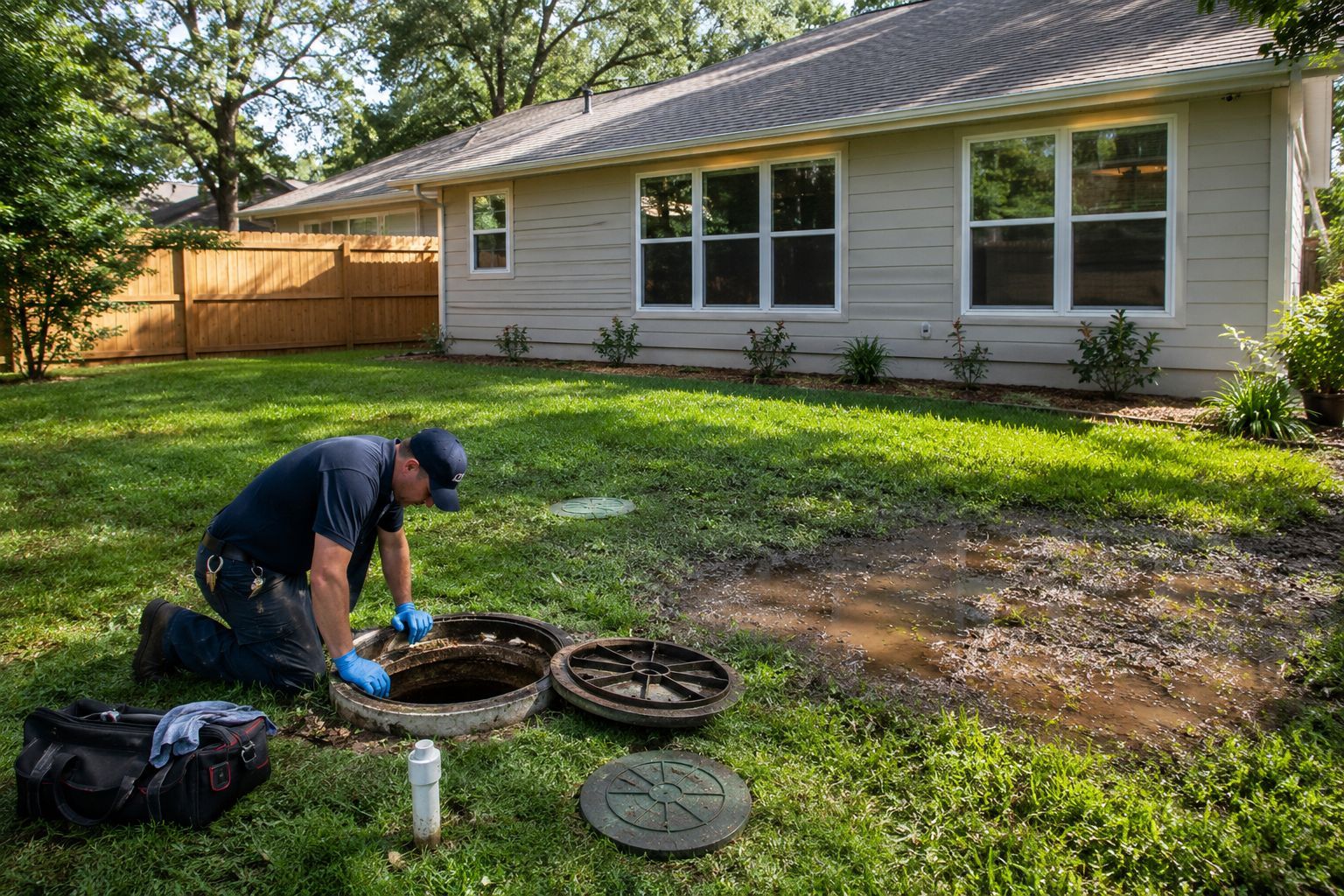
Regular inspection of the septic tank and pump can help identify abnormal noises early, before they lead to major system failure. Engaging a professional to listen for and diagnose these sounds is strongly recommended, as ignoring them can result in pump failure, costly emergency repairs, or unexpected property damage.
Frequent Pump Cycling
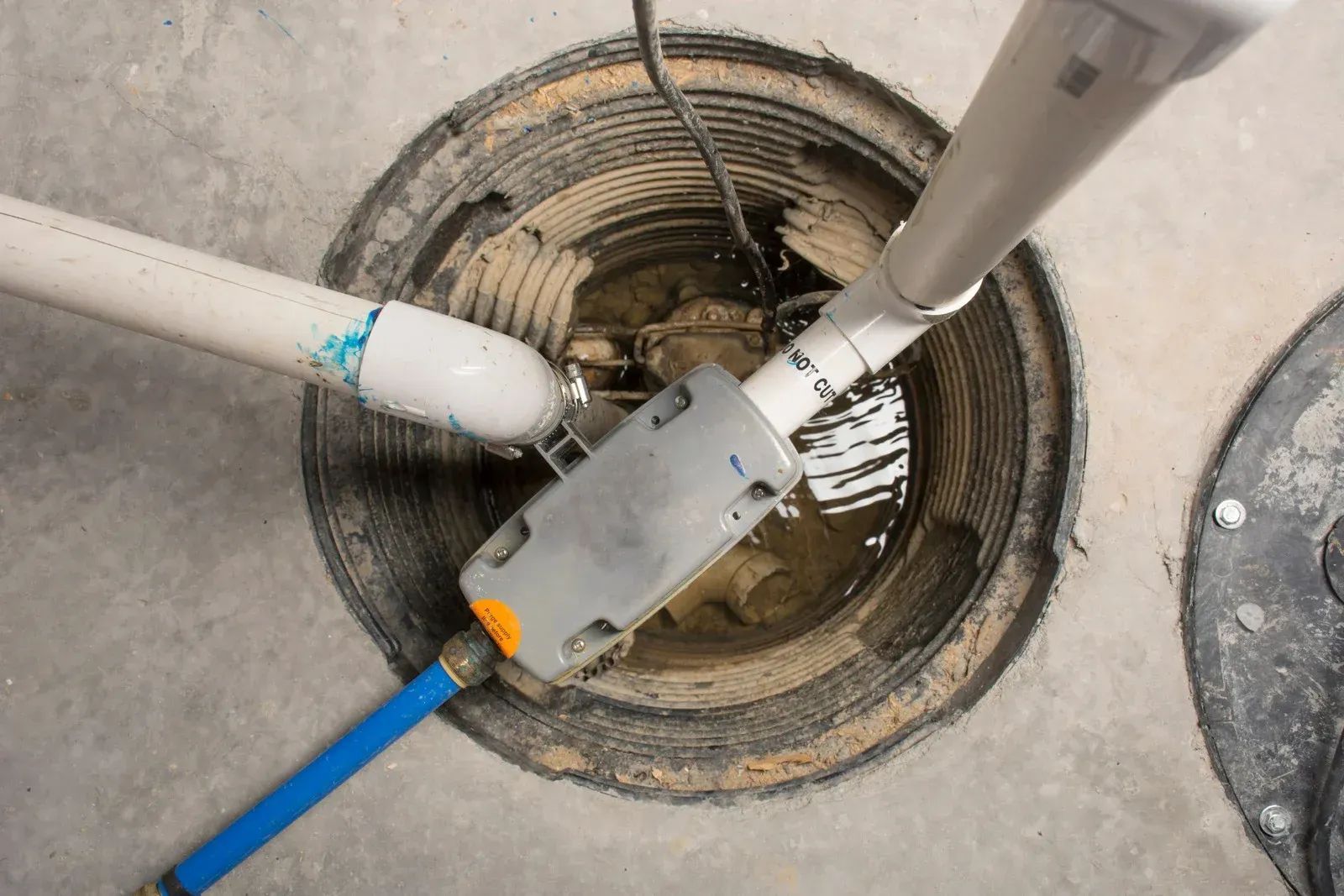
- Understanding Pump Cycles:- Septic pumps operate on a cycle, turning on and off to move wastewater efficiently throughout the system and into the drain field. A healthy pump should have regular, predictable cycles without excessive strain. However, if your pump is turning on and off more frequently than usual, it may be overworked, clogged, or nearing the end of its operational life, signaling the need for attention.
- Causes of Frequent Cycling:- Excessive pump cycling often occurs due to high wastewater volume, blocked float switches, or gradual mechanical degradation of pump components over time. For example, a family with multiple bathrooms and heavy water usage may notice the pump running continuously, indicating it can no longer handle the load effectively and may fail soon.
- Consequences of Ignoring Frequent Cycling:- Ignoring frequent cycling can lead to pump burnout, electrical issues, or even complete system failure, creating major inconvenience and expensive repairs. By addressing this early, homeowners can replace or repair the pump before it causes serious damage, preserving the overall health and longevity of the septic system.
Water Pooling Around the Septic Tank
Indicators of Surface Overflow
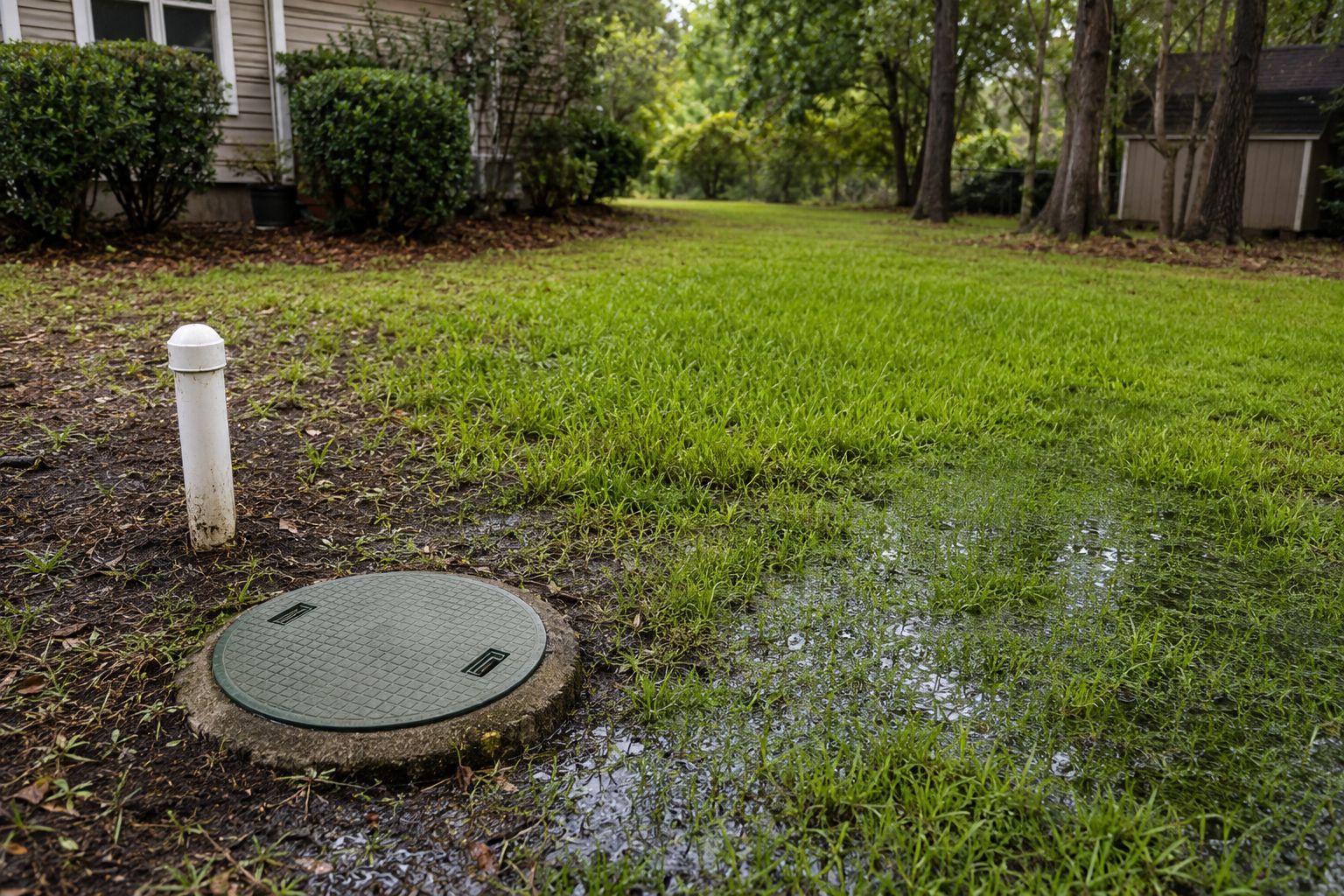
Water pooling near the septic tank or in the yard can be a clear warning sign of pump malfunction or blockage within the system. This occurs when the pump fails to move wastewater effectively, causing it to accumulate in the tank and eventually overflow onto the surface, creating both aesthetic and functional problems.
Environmental and Health Implications
Standing wastewater can contaminate nearby soil and groundwater with harmful bacteria, pathogens, and other pollutants. Children and pets playing near these areas are at risk of exposure, making it extremely important to respond quickly to any signs of pooling and prevent further contamination.
Factors Affecting Pump Longevity
- Water Quality: Hard water or high sediment levels can cause internal damage.
- Maintenance History: Regular cleaning and inspections extend pump life.
- Usage Patterns: High-frequency usage accelerates wear.
By considering these factors, homeowners can make informed decisions about timely pump replacement, avoiding emergencies and prolonging overall system health.
Choosing the Right Septic Pump
Matching Pump Capacity to Home Needs
When selecting a new septic pump, capacity is a critical factor. The pump must match the home’s daily water usage and the septic system’s design. Oversized or undersized pumps can create operational inefficiencies and increase the risk of failure.
Expert Recommendations
Consulting with a licensed septic professional ensures proper sizing and installation. Experts can evaluate household water usage, septic tank volume, and pump design to recommend a model that maximizes efficiency and longevity.
Installation Considerations
Proper installation is equally important for reliable performance. A professionally installed pump ensures secure connections, optimal positioning, and accurate float switch calibration. Improper installation can lead to recurring problems, including premature failure and costly repairs.
Maintenance Best Practices
Regular maintenance extends pump life and prevents common issues. Recommended practices include:
- Inspecting the pump at least once per year
- Cleaning screens and filters to prevent clogging
- Checking float switches and electrical components
- Scheduling professional service when unusual noises or performance issues arise
These steps help homeowners maintain a functional septic system while avoiding unexpected failures.
Skilled Specialists Protecting Your Home’s Septic System
Maintaining a healthy septic system starts with understanding the key indicators of a failing septic pump. Slow drains, frequent cycling, unusual noises, odors, water pooling, and age-related wear are all red flags that homeowners should take seriously. Early detection and timely replacement of a failing pump not only prevent costly repairs but also protect your home, family, and environment from potential hazards. By staying vigilant and proactive, homeowners can ensure the long-term efficiency and reliability of their septic systems.
For residents of Winston-Salem, North Carolina, who require professional assistance with septic systems, Newcomb Septic Services
offers reliable, trustworthy solutions. With several
year of hands-on experience in
septic system services, our team specializes in pump inspection, repair, and replacement, ensuring your system operates efficiently and safely. We are committed to providing expert guidance, transparent service, and responsive support for every client. From identifying early warning signs to installing new pumps and performing routine maintenance, Newcomb Septic Services
is your dedicated partner in septic system management. Our local knowledge, attention to detail, and client-focused approach make us a dependable choice for homeowners seeking peace of mind. Trust our skilled team to keep your septic system functioning optimally, avoiding emergencies and extending the life of your equipment.