Professional Septic Pump Repair vs DIY: What You Need to Know
April 24, 2026
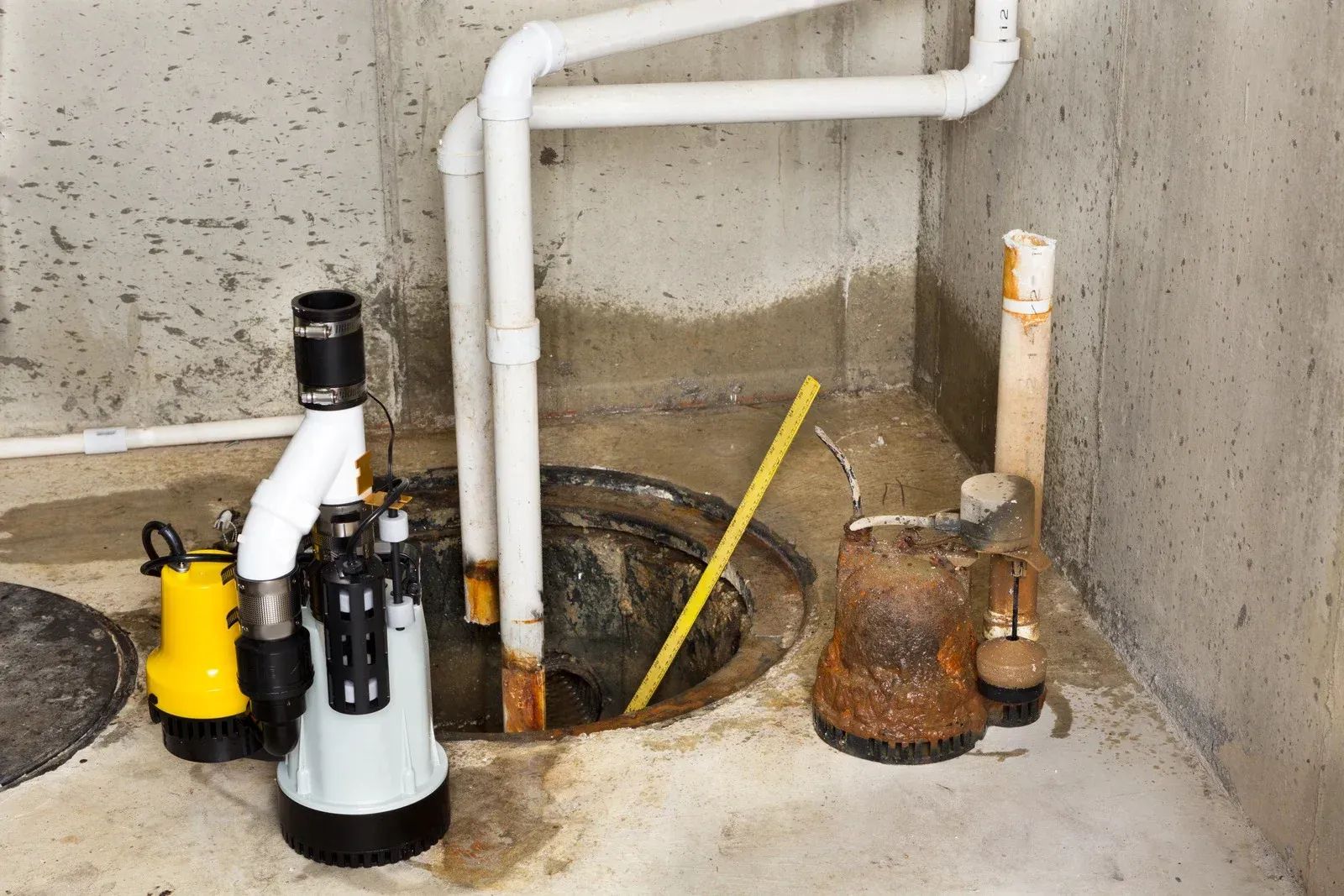
Maintaining a septic system is a critical aspect of homeownership, yet it is often overlooked until a problem arises. The septic pump, a vital component responsible for efficiently moving wastewater from your home to the septic tank or drain field, plays a central role in preventing backups, foul odors, and costly damage. When this essential system malfunctions, homeowners are faced with a decision: attempt a do-it-yourself (DIY) repair or hire a professional. Understanding the implications of both approaches is crucial to safeguarding your property, health, and investment.
In recent years, DIY home maintenance has gained popularity, fueled by online tutorials and “how-to” videos promising quick fixes for common household issues. However, septic pump repair is a specialized task that involves technical knowledge, safety precautions, and adherence to local regulations. Mistakes during repair can lead to environmental hazards, expensive damage, and even legal consequences. This blog delves into the pros and cons of
professional septic pump repair
versus DIY approaches, offering actionable insights, real-world examples, and expert guidance. By the end, you will have a clear understanding of when professional intervention is the smartest choice and how to protect your septic system for years to come.
Understanding Your Septic Pump System
What a Septic Pump Does
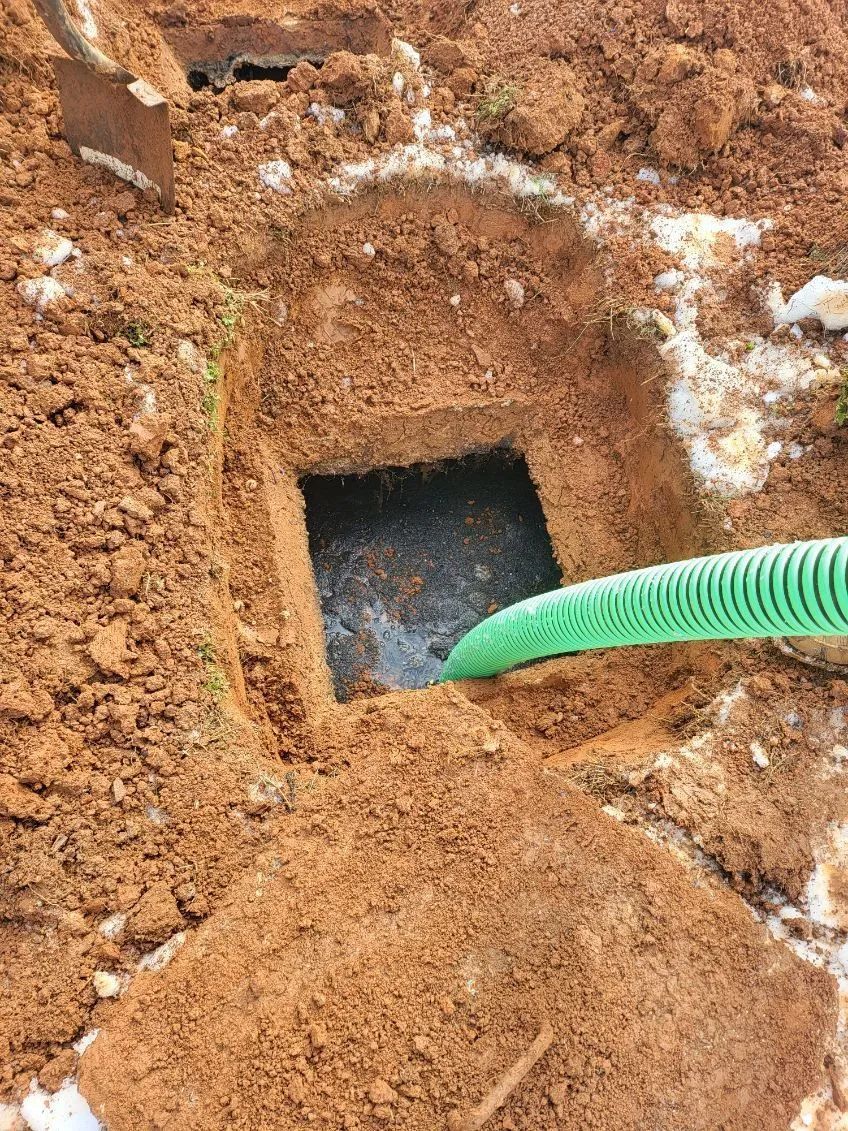
A septic pump is designed to move wastewater from your home into the septic tank or drain field, especially when gravity alone is insufficient. It operates on a simple principle: when wastewater reaches a certain level, the pump activates to transfer the liquid efficiently. The proper function of this system ensures that wastewater does not accumulate, which can lead to backflow, unpleasant odors, and potential contamination of soil and groundwater.
Septic pumps come in various types, including effluent pumps, grinder pumps, and submersible pumps. Each serves a different function and is suitable for specific systems. Understanding the type of pump installed in your system is crucial before considering any repair, as the requirements, maintenance needs, and operational risks vary significantly.
Signs Your Pump Needs Attention
Homeowners should recognize early warning signs of pump failure to prevent extensive damage. Common indicators include:
- Slow drains or frequent backups
- Gurgling sounds in plumbing
- Unpleasant odors around the septic tank
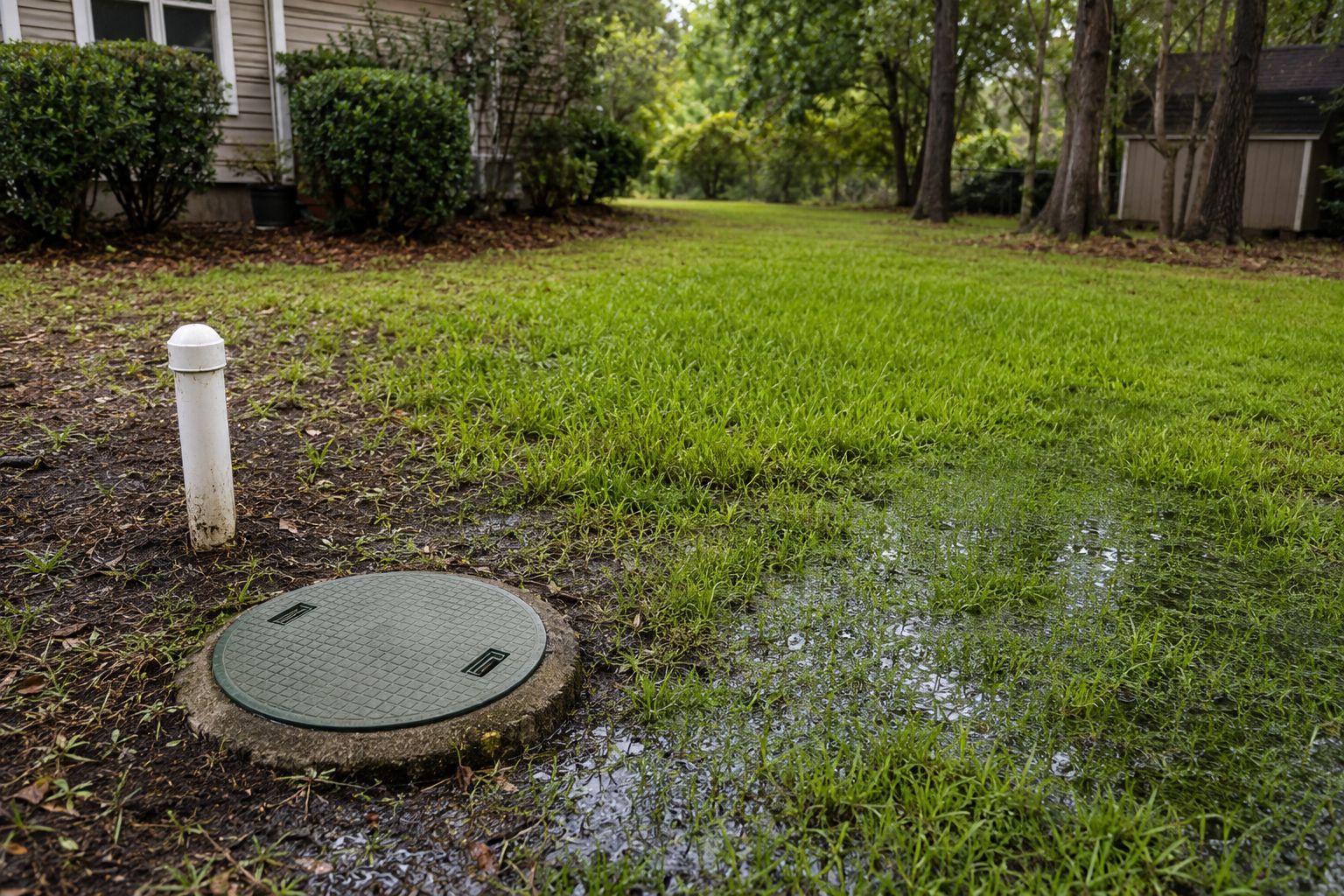
- Standing water near the drain field
Ignoring these signs often leads to severe issues that require more expensive repairs. Early detection and timely action are key to extending the life of your septic pump system.
DIY Septic Pump Repairs: What Homeowners Need to Know
Common DIY Approaches
DIY septic pump repair often involves minor maintenance tasks such as checking circuit breakers, cleaning floats, unclogging discharge lines, or replacing basic components like switches. Homeowners may also attempt to remove debris from the pump or troubleshoot electrical issues. These tasks, while seemingly straightforward, require careful attention to detail, appropriate tools, and a thorough understanding of the system.
Benefits of DIY Repairs
The most obvious advantage of attempting repairs yourself is cost savings. Avoiding professional fees can make a difference for homeowners managing tight budgets. Additionally, some homeowners find value in learning about their septic system, which can improve long-term maintenance practices.
Risks and Challenges
However, DIY repairs carry significant risks. Septic pumps involve electrical components and contact with wastewater, which poses safety hazards, including electrocution and exposure to harmful bacteria. Incorrect repairs can also damage the pump, leading to costly replacements and potential environmental contamination. Furthermore, local regulations may require licensed professionals for certain types of septic repairs, making unauthorized DIY interventions potentially illegal.
Real-World Example
Consider a homeowner who attempted to clean a clogged grinder pump without shutting off the power. A sudden activation caused a short circuit, damaging the pump motor. What could have been a minor fix became a full replacement costing several thousand dollars. This scenario highlights the importance of assessing your technical ability and safety awareness before attempting DIY repairs.
Advantages of Professional Septic Pump Repair
Expertise and Training
Certified septic technicians undergo extensive training to diagnose, repair, and maintain various types of pumps. Professionals understand the intricacies of pump systems, electrical circuits, and wastewater management, ensuring repairs are completed safely and efficiently. Their expertise reduces the risk of repeated failures or hidden problems that may be overlooked by a DIY approach.
Advanced Tools and Equipment
Professional repair services are equipped with specialized tools, including water-tight electrical testers, motor analyzers, and inspection cameras, which allow them to pinpoint issues accurately. Many pumps also require professional-grade replacement parts or calibration equipment unavailable to most homeowners. Access to the right tools ensures that repairs are both precise and long-lasting.
Compliance with Regulations
Septic systems are subject to local and state regulations to prevent environmental hazards. Licensed professionals are familiar with these requirements, ensuring repairs and installations meet code standards. This compliance is essential to avoid fines, legal complications, and potential contamination of public water sources.
Long-Term Cost Efficiency
While professional services may carry higher upfront costs, they often save homeowners money in the long run. Expert repairs reduce the likelihood of repeated issues, extend pump lifespan, and prevent extensive damage to the septic system, all of which are far more costly than a professional service fee.
Evaluating the Right Approach for Your Home
Factors to Consider
When deciding between DIY and professional repair, several factors should guide your decision:
- Technical Skill – Do you have the electrical, mechanical, and plumbing knowledge necessary for the repair?
- Safety – Are you aware of the safety protocols to avoid injury or contamination?
- Complexity of the Issue – Some problems, like motor failure or electrical faults, are better handled by professionals.
- Regulatory Compliance – Does your local jurisdiction require licensed intervention for septic repairs?
Availability of Tools – Do you have the specialized equipment necessary for an effective repair?
Practical Decision-Making
For minor issues such as a tripped circuit breaker, homeowners can safely attempt a DIY fix. Conversely, problems involving motor replacement, electrical faults, or persistent clogs are best left to professionals. Evaluating the complexity and risk ensures that homeowners make informed, safe decisions.
Expert Insight
Septic system specialists often recommend a hybrid approach: regular DIY maintenance combined with annual professional inspections. This strategy allows homeowners to save on minor upkeep costs while ensuring critical repairs are handled by trained technicians.
Best Practices for Septic Pump Maintenance
Routine Maintenance Tasks
Proper maintenance is the key to preventing expensive repairs. Homeowners should:
- Inspect pumps periodically for unusual sounds or vibrations
- Keep the area around the septic tank clean and accessible
- Avoid flushing non-biodegradable materials or harsh chemicals
- Monitor wastewater levels and system performance
These simple steps can reduce the frequency of major issues and improve system longevity.
Scheduling Professional Inspections
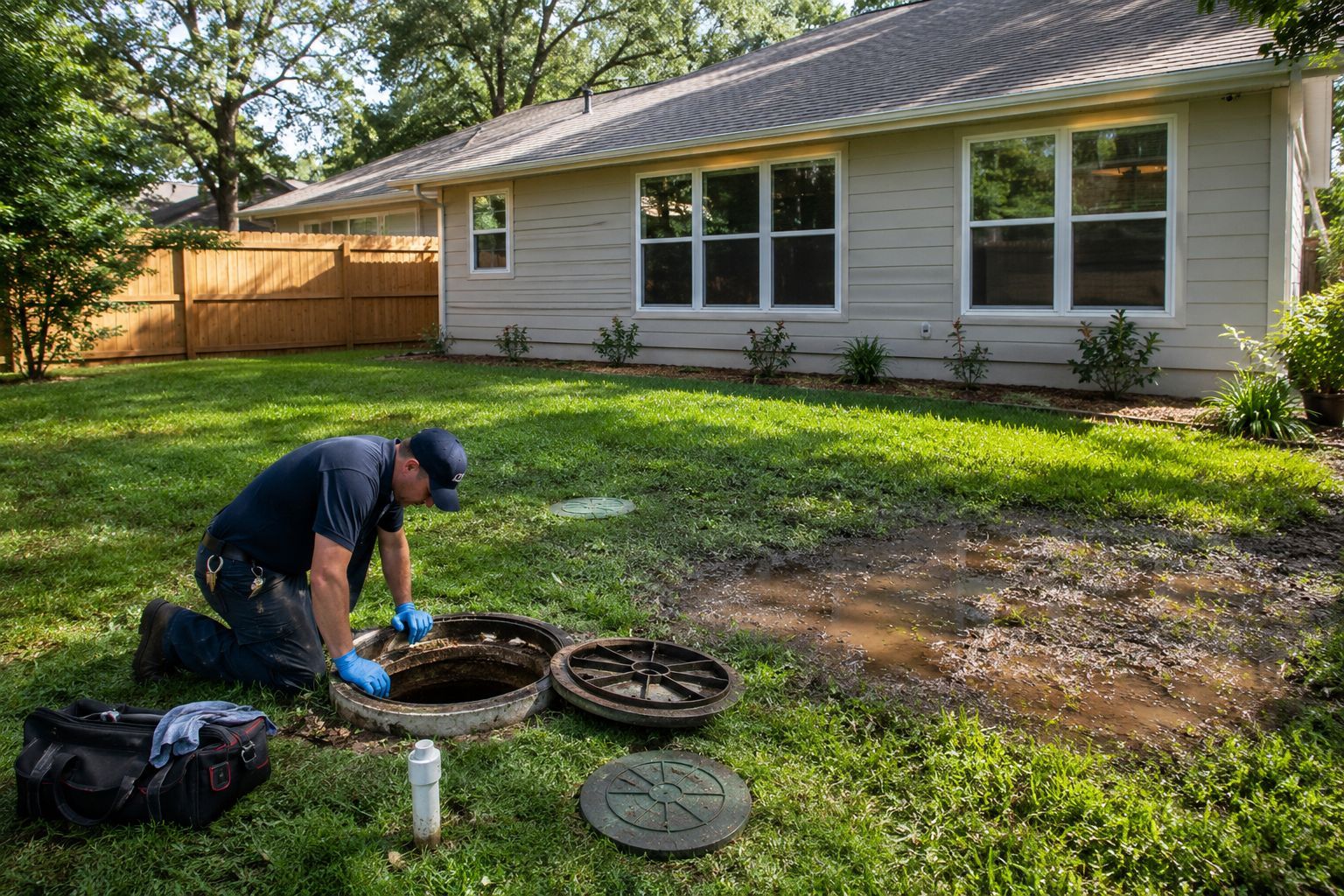
Annual inspections by licensed septic technicians help identify early signs of wear, electrical issues, and potential blockages. Technicians can clean components, replace worn parts, and ensure the system is compliant with local regulations. Proactive inspections often prevent emergencies and expensive replacements.
Seasonal Considerations
Certain times of the year may exacerbate septic issues. Heavy rainfall, freezing temperatures, and high usage periods can increase strain on pumps. Homeowners should be particularly vigilant during these times and consult professionals if warning signs appear.
Environmental and Safety Considerations
Preventing Contamination
Septic systems are closely linked to soil and groundwater health. Improper repairs or DIY mistakes can result in leaks, overflows, and contamination of local water sources. Professionals employ containment measures, proper disposal techniques, and environmental safeguards to mitigate these risks.
Health Hazards
Exposure to untreated wastewater can cause severe health problems, including bacterial infections, respiratory issues, and skin irritation. Proper protective equipment and knowledge of safe handling procedures are essential. Professionals are trained to manage these hazards safely, minimizing risk to homeowners and technicians alike.
Legal Compliance
Failing to comply with local health codes can result in fines, mandatory system upgrades, or legal action. Professional services ensure adherence to all applicable laws, providing homeowners with peace of mind and avoiding future complications.
Newcomb Septic Professionals Safeguarding Your Home Efficiently
Choosing between DIY septic pump repair and professional services is a critical decision for homeowners. While minor maintenance tasks may be safely handled by knowledgeable individuals, the complexity, safety risks, and regulatory requirements associated with most septic pump issues make professional intervention the smarter choice. Expert repairs ensure system longevity, prevent environmental hazards, and reduce long-term costs, while DIY attempts often carry hidden dangers that can escalate quickly.
For homeowners in Winston-Salem, North Carolina, Newcomb Septic Services provides trusted septic system solutions with a focus on reliability and quality. As a dedicated provider of septic system services, we understand the unique challenges that local soil conditions, seasonal variations, and property layouts present. Our trained technicians bring knowledge, precision, and advanced tools to every repair, ensuring that your septic pump functions safely and efficiently.
Even with several
years of service, Newcomb Septic Services
has quickly built a reputation for professionalism, responsiveness, and customer-centered care. From routine inspections to complex pump replacements, we handle every task with meticulous attention to detail, prioritizing both the performance of your system and the safety of your property. Homeowners can trust us to provide accurate diagnoses, effective solutions, and guidance for long-term maintenance. When it comes to protecting your septic system investment, Newcomb Septic Services
is the authoritative choice for peace of mind, environmental safety, and dependable performance.