Understanding the Basics of Septic Systems for New Homeowners
May 15, 2026
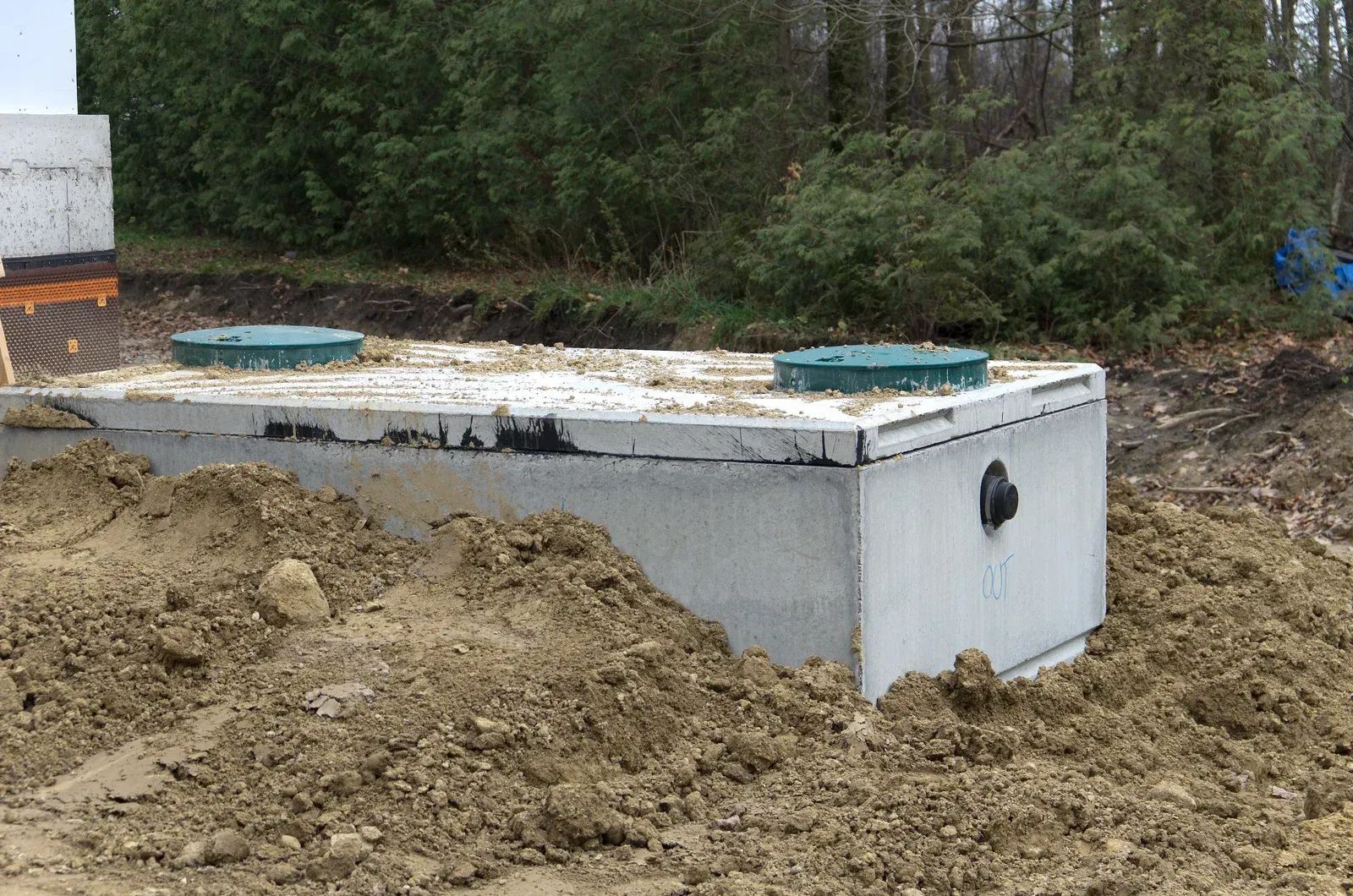
When you purchase a home, one of the many aspects you must understand is the type of wastewater management system it uses. While many homeowners are familiar with municipal sewer systems, septic systems are a common and essential alternative, especially in rural areas. Understanding how septic systems work is crucial for maintaining your home’s plumbing, preventing costly repairs, and ensuring a healthy living environment.
Septic systems are often misunderstood by new homeowners, but with a bit of knowledge, you can easily navigate the responsibilities and requirements they bring. This blog aims to demystify septic systems, providing new homeowners with a clear understanding of how they function, the essential maintenance they require, and the common issues you might face. With this insight, you can take proactive steps to ensure your septic system operates efficiently and effectively for years to come.
The Basics of Septic Systems
What is a Septic System?
A septic system is a self-contained, underground wastewater treatment system. Typically found in rural or suburban homes, it serves as a private sewage disposal method. When wastewater from your home—such as from toilets, showers, and sinks—leaves the plumbing system, it flows into the septic tank. From there, it is processed and filtered before being safely returned to the ground.
The main components of a septic system include:
- Septic Tank: A large, usually concrete, underground container where solid waste settles and liquid waste is processed.
- Drain Field: A network of pipes buried in the ground that disperses the liquid waste (effluent) after it leaves the tank.
- Soil: The natural filtration system that removes harmful bacteria and pathogens from the effluent before it re-enters the environment.
How Does a Septic System Work?
When wastewater enters the septic tank, the solids settle to the bottom, forming sludge, while the lighter liquids float to the top, forming scum. Bacteria in the tank break down the solids, allowing the liquid to move through an outlet pipe into the drain field. The drain field then disperses this treated water into the soil, where it undergoes further filtration.
Septic systems are designed to function efficiently when properly maintained. However, their performance can be compromised by improper use, neglect, or insufficient maintenance. Therefore, understanding the key elements of septic system management is essential for homeowners.
Common Septic System Components and Their Functions
Septic Tank
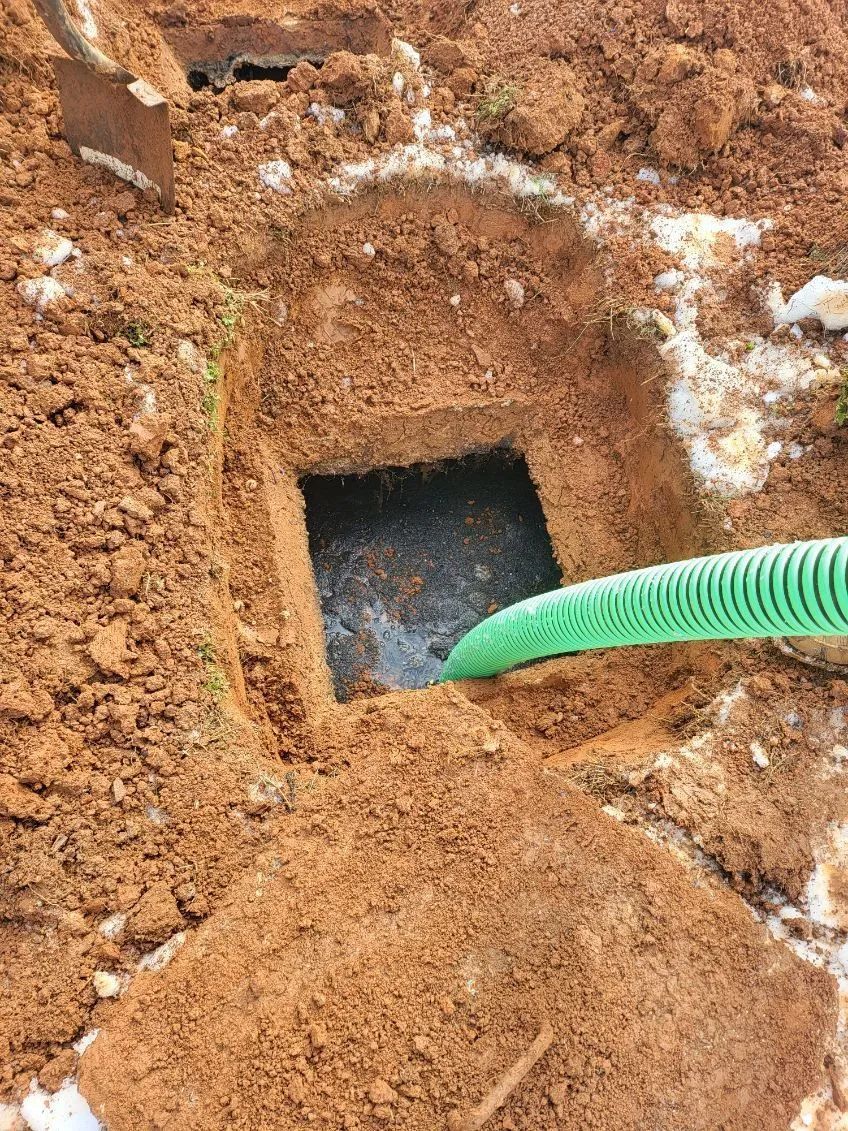
The septic tank is the heart of the system. Its primary job is to provide a place for waste to separate into three layers: solids, liquids, and scum. Bacteria within the tank break down organic materials, reducing the volume of waste. Over time, sludge and scum build up and need to be removed through pumping.
Drain Field
The drain field, also known as the leach field, is where effluent is filtered through the soil. The soil provides a natural filtration system, removing contaminants and pathogens before the water re-enters the groundwater. Drain fields must be properly sized and maintained to prevent overflows or system failure.
Distribution Box
In some septic systems, a distribution box helps evenly distribute wastewater into the drain field. This box directs the effluent to multiple pipes, ensuring that the drain field is used evenly and reducing the risk of clogging in one section.
Effluent Filter
Effluent filters are typically installed inside the septic tank to prevent solid waste from leaving the tank and entering the drain field. These filters help extend the life of the system by ensuring that only treated wastewater moves through the system.
Proper Septic System Maintenance
Regular Pumping
One of the most important tasks in septic system maintenance is pumping the septic tank. The frequency of pumping depends on several factors, including the size of the tank, the number of people in the household, and the amount of wastewater generated. On average, septic tanks should be pumped every 3-5 years to prevent sludge and scum buildup.
Avoiding Overuse
Overusing your septic system can lead to failures, so it’s essential to be mindful of your water usage. Large amounts of water flowing into the system at once can overwhelm the tank and drain field, causing wastewater to back up into your home or surface in the yard. To avoid this, spread out heavy water usage throughout the day and avoid running multiple water fixtures at once.
Proper Waste Disposal
A septic system is not designed to handle certain materials, and improper disposal can lead to blockages or contamination. Avoid flushing non-biodegradable items like wipes, sanitary products, or cooking grease. These items can clog the tank or drain field, leading to costly repairs. In addition, avoid putting harsh chemicals like bleach or drain cleaners down the drain, as they can harm the beneficial bacteria in the septic tank.
Monitoring the System
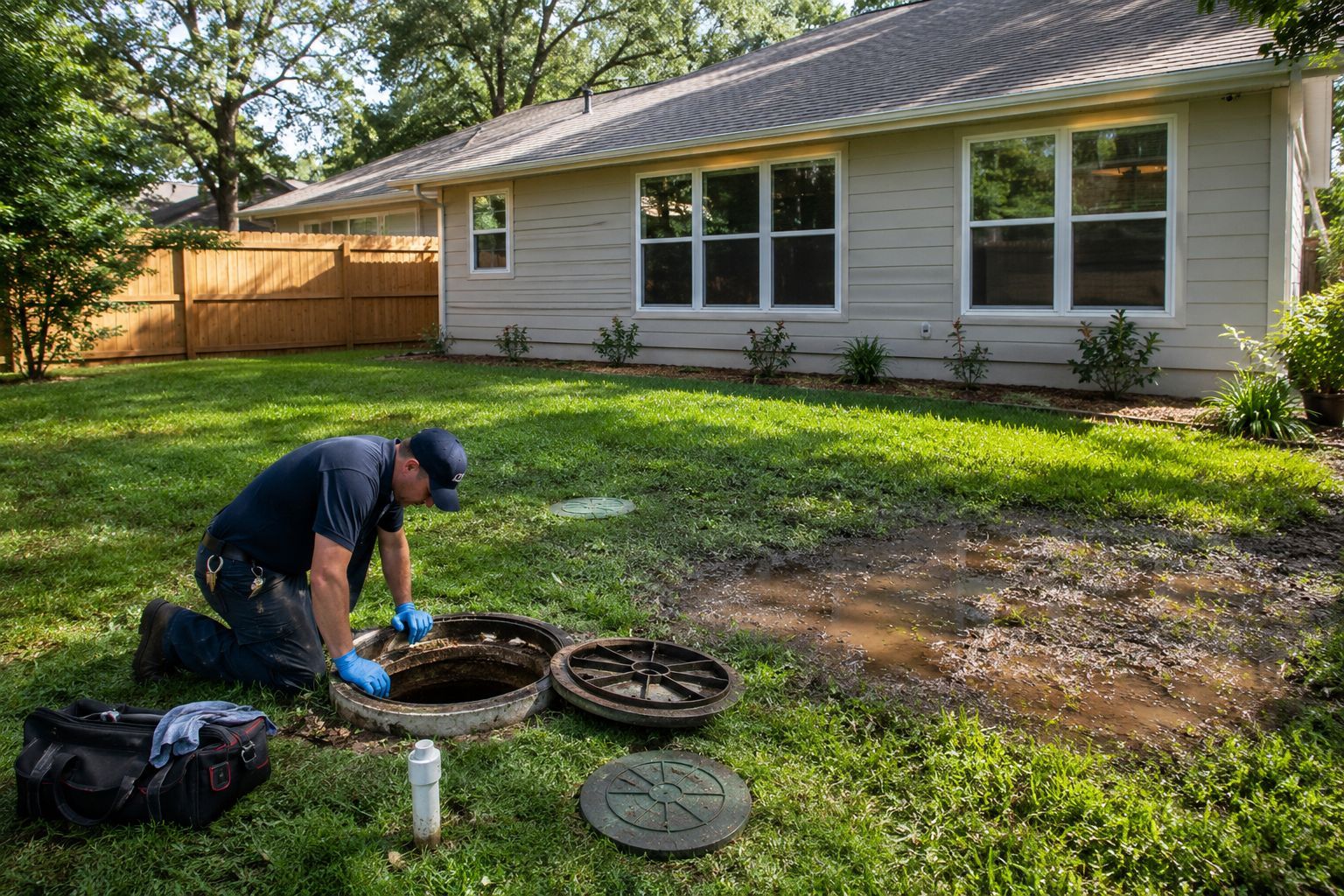
In addition to regular pumping, homeowners should periodically inspect the septic system for signs of trouble. This may include checking the soil around the drain field for signs of dampness or unpleasant odors, which could indicate a malfunctioning system. Monitoring your septic system can help catch small issues before they become major problems.
Signs of a Failing Septic System
Despite regular maintenance, septic systems can develop issues. Recognizing the early warning signs of a failing septic system can save you from costly repairs and disruptions. Some common signs include:
- Slow Drains: If your sinks, showers, or toilets are draining slowly, it may indicate a blockage in the septic system or drain field.
- Foul Odors: A strong, unpleasant odor around the septic tank or drain field could signal that the system is not processing waste properly.
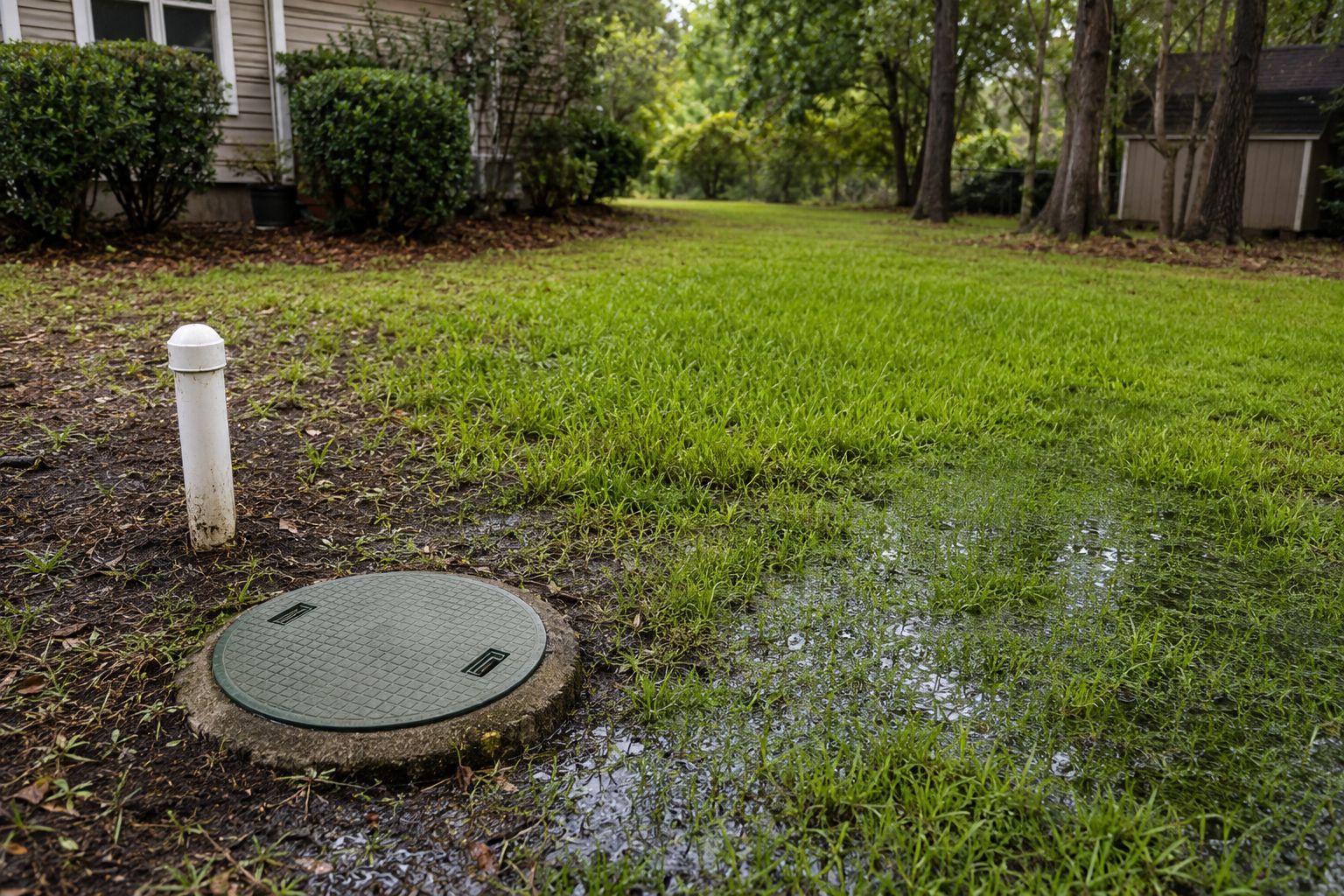
- Pooling Water: Excess water pooling around the drain field or tank is a clear sign of system failure. This may occur when the drain field is unable to absorb the effluent.
- Sewage Backup: If sewage begins to back up into your home, it’s a serious indication that your septic system is overloaded or malfunctioning.
If you notice any of these signs, it’s crucial to contact a professional septic service immediately to assess the situation and prevent further damage.
Best Practices for Septic System Longevity
Install a Grease Trap
One way to prolong the life of your septic system is to install a grease trap in your kitchen. Grease can clog your septic system and drain field, so using a trap helps catch grease before it enters the system, reducing the risk of clogs.
Avoid Planting Near the Septic Tank
Tree roots and other vegetation can infiltrate the septic tank and drain field, causing blockages and damage. Be sure to avoid planting trees or shrubs near the septic system to protect it from root infiltration.
Keep Heavy Machinery Away
Avoid driving over or placing heavy objects on top of the septic system, as this can cause the soil to compact and damage the system. Heavy machinery can also crush the pipes or tank, leading to system failure.
Maintain Proper Soil Permeability
The health of your drain field depends on the permeability of the soil. Soil compaction from heavy machinery or excessive foot traffic can reduce its ability to filter wastewater. Ensuring that the soil remains porous is critical for the system’s efficiency.
How to Choose the Right Septic System for Your Home
When building a new home or replacing an old septic system, it’s essential to choose the right system. Factors such as the size of your property, the number of people in your household, and local regulations will influence the type of septic system that’s best for you.
Consider factors like the following:
- Soil Type: Different soil types absorb wastewater differently, so understanding your property’s soil characteristics is important for selecting the right system.
- Home Size: The size of your home and the number of occupants will determine the size and capacity of your septic tank and drain field.
- Local Regulations: Some areas have strict regulations regarding septic system installation and maintenance. Be sure to consult with a local professional to ensure compliance with all codes.
Our Expertise in Reliable Septic System Services
Septic systems are an essential part of wastewater management for homes outside municipal sewage systems. By understanding how they work, maintaining them properly, and addressing issues early, homeowners can ensure their septic system functions efficiently for many years. Taking these steps will help avoid costly repairs, maintain a clean and healthy environment, and prolong the life of the system.
For new homeowners, understanding the basics of septic systems is the first step toward responsible homeownership. Regular maintenance, timely inspections, and mindful usage are key to avoiding septic system issues. If you're unsure about how to maintain or care for your septic system, consulting with professionals can provide peace of mind.
At Newcomb Septic Services, we understand the importance of having a well-maintained septic system, and we are dedicated to ensuring our customers have the support they need. With several
years of experience in the industry, we help homeowners in Winston-Salem and the surrounding areas maintain their septic systems and prevent potential issues. Whether you need a routine inspection, system installation, or emergency repairs, we are here to offer reliable, efficient, and cost-effective solutions. Trust us to keep your septic system in top condition, so you can enjoy your home without worry.